UCSD chemists break electron transfer barrier with new catalyst
Chemists at the University of California, San Diego, created a catalyst that bypasses the 50-year-old outer-sphere electron transfer rule by releasing electrons directly into solution, enabling react…
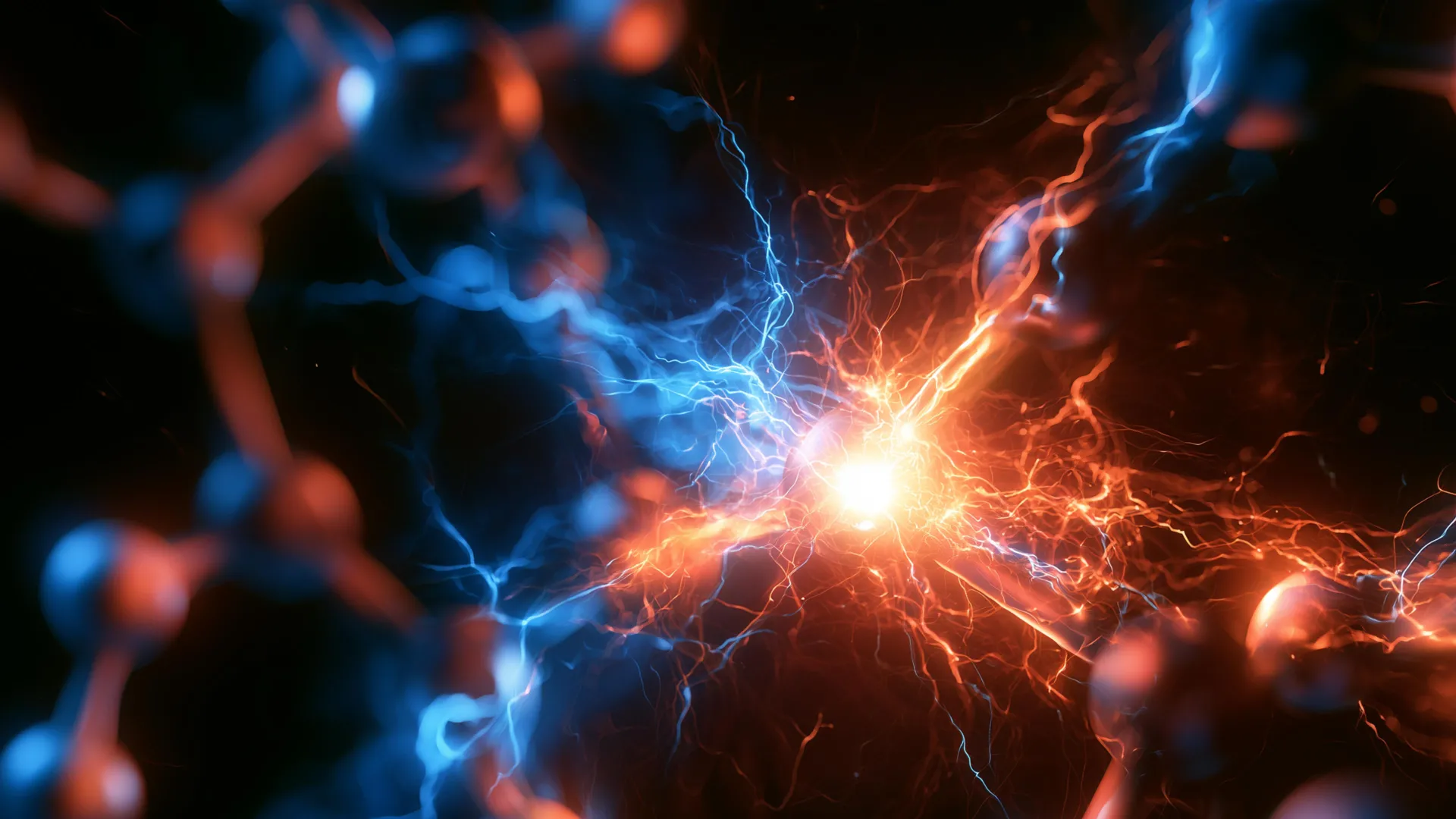
Chemists have broken a decades-old rule by designing a catalyst that releases electrons directly into solution, freeing them from the constraints of traditional electron transfer. The breakthrough, reported in *Science*, overturns the Marcus theory—long considered the gold standard in predicting how electrons move between molecules during reactions. By sidestepping the usual pathways, the technique could open doors to chemical transformations that were once impossible.
The barrier in question is the outer-sphere electron transfer rule, which states that electrons must hop between molecules through physical contact. This limitation has constrained synthetic chemists for over 50 years, making some reactions inefficient or entirely unattainable. The new catalyst, developed by researchers at the University of California, San Diego, uses a specialized molecular structure to inject electrons straight into the surrounding solution. This effectively bypasses the rule, allowing electrons to interact with molecules at a distance. The approach builds on advances in supramolecular chemistry and redox-active materials, where chemists have long sought ways to control electrons more precisely.
Early experiments show the catalyst can drive reactions that typically require harsh conditions or expensive reagents. In one test, it enabled the reduction of carbon dioxide—a notoriously stable molecule—into formate, a useful chemical feedstock. While the yields are still modest, the method’s versatility suggests it could work for a wide range of reductions, from pharmaceutical synthesis to energy storage. Experts not involved in the study call it a “game changer” for green chemistry, as it could reduce reliance on rare or toxic catalysts like platinum.
The next step is scaling up the catalyst and refining its efficiency. If successful, it could rewrite the rules for designing chemical reactions, making processes cleaner, faster, and more sustainable. The team is now exploring industrial applications, including fuel production and waste recycling. For chemists, the takeaway is clear: electrons aren’t as picky as we thought.
Read Full Story at ScienceDaily →