Can Pakistan-administered Kashmir election calm tensions?
The first phase of local elections in Pakistan-administered Kashmir is scheduled for Monday, July 27, amid calls for a boycott from the recently outlawed Jammu Kashmir Joint Awami Action Committee (JA
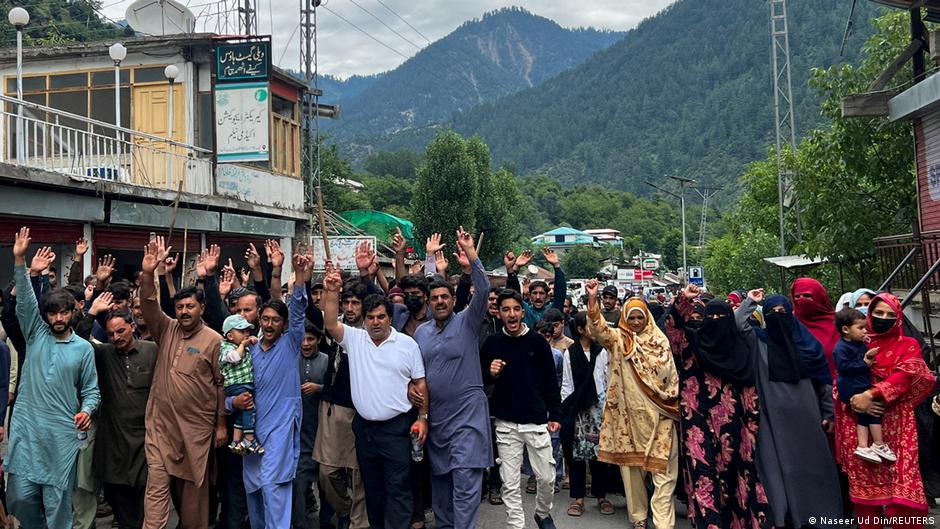
The first phase of local elections in Pakistan-administered Kashmir is scheduled for Monday, July 27, amid calls for a boycott from the recently outla
Read Full Story at DW World →Why This Matters
The upcoming local elections in Pakistan-administered Kashmir represent a crucial opportunity to address ongoing tensions in the region. With a significant portion of the population calling for a boycott, the elections may either exacerbate divisions or provide a platform for a new political narrative, highlighting the complexities of governance and representation in the area.
Background Context
Pakistan-administered Kashmir has a long history of political unrest and conflict, influenced by broader Indo-Pakistani tensions. The recent outlawing of the Jammu Kashmir Joint Awami Action Committee underscores the challenges faced by political groups advocating for change, further complicating the electoral landscape and citizen engagement.
What Happens Next
The outcomes of these elections will likely reveal the strength of the political opposition and the sentiments of the electorate toward governance in the region. Observers should watch for voter turnout figures and the potential for increased unrest if the boycott calls gain traction, as well as how the results may impact the legitimacy of the governing authorities.
Bigger Picture
This electoral event reflects a broader trend of increasing political mobilization in contested regions, where local governance issues intersect with national narratives. The situation in Pakistan-administered Kashmir may also resonate with similar movements across other disputed territories, highlighting the universal struggle for self-determination and political representation.