Andy Burnham directs justice secretary to address prison capacity concerns
Prime Minister Andy Burnham has directed his justice secretary to formulate a plan for increasing prison capacity in response to public backlash over the eligibility of serious offenders for early re…
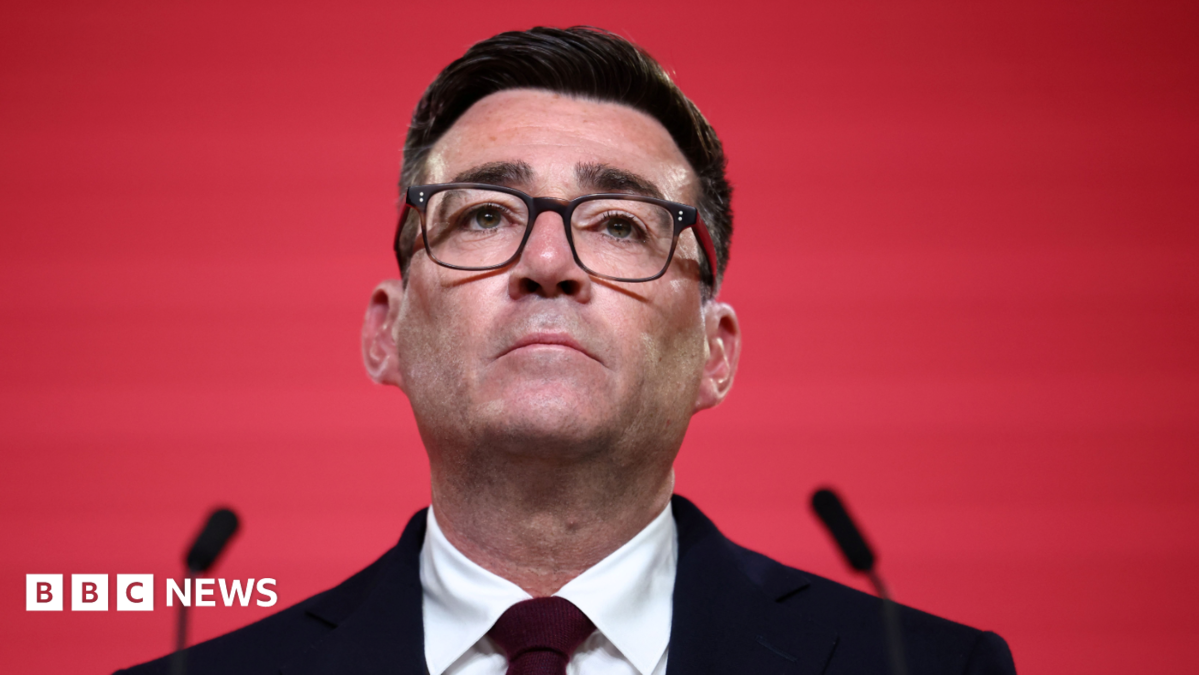
Prime Minister Andy Burnham has ordered his justice secretary to urgently develop a plan to create more prison space, marking a sharp reversal in his administration’s stance on the early release of serious offenders. This directive comes after intense public pressure and criticism following revelations that two of the men convicted of killing Police Constable Andrew Harper remain eligible for early release under current rules. Burnham stated today that he has not accepted that it is impossible to do more to keep dangerous criminals behind bars. He insisted that this move does not constitute a change in policy, arguing that he has been pushing on this issue since his first day in office. However, this assertion clashes with the clear message sent by Downing Street just days earlier. On Monday, government spokespeople heavily suggested that no further action was possible within the existing legal framework.
The controversy highlights a significant political dilemma for Burnham, who entered Downing Street promising to make people feel safer and better off. His supporters within the Labour Party describe him as a leader with the political skill to prioritize impactful policies and communicate them effectively to the public. Critics, including Conservative leader Kemi Burnham, have labeled him a people pleaser who avoids making difficult decisions. The early release scheme he inherited from the previous Starmer government allowed for the release of prisoners based on sentence length rather than the severity of the crime. Burnham initially chose to focus on the type of crime, ensuring that rapists and child sex offenders would remain in custody. This decision was intended to protect victims and demonstrate a tough stance on violent crime. However, it inadvertently left other serious offenders, including those convicted of murder, eligible for early release if their sentences allowed it. The case of PC Andrew Harper’s killers brought this flaw to light, creating an immediate and emotive crisis for the new government.
The government’s initial response was to defend the status quo by citing capacity constraints. Over the weekend, the Ministry of Justice warned that exempting more prisoners from early release would risk prisons reaching capacity and collapsing. Last week, Burnham himself wrote in The Telegraph that he had pushed to the very limits of what was possible. Justice Secretary Alex Norris even apologized to the families of victims, including PC Harper’s relatives, for the distress caused by the system. This defensive posture has drawn sharp rebuke from Debbie Adlam, PC Harper’s mother, who described the handling of the situation as a hash. She and other victims’ families have expressed deep anguish over the perception that the government is prioritizing prison logistics over justice and safety. The administration now faces the challenge of repairing its credibility with these families while demonstrating that it can deliver on its promises to make the country safer.
Downing Street hopes that this episode will be remembered as a moment where the Prime Minister forced the system to adapt to his will. They argue that the administration is actively working to free up prison places, potentially by reviewing exemptions for manslaughter convictions, which they note is an all-or-nothing approach requiring significant capacity. However, there is a fear that the lasting impression will be one of mismanagement and insensitivity. The details of the government’s plan to free up prison spaces remain sparse, leaving many questions unanswered about how quickly and effectively these changes can be implemented. This situation serves as an early test of Burnham’s ability to navigate complex policy decisions while maintaining public trust. If the government fails to act decisively and transparently, it risks undermining its broader agenda of restoring faith in public institutions. The coming weeks will be crucial in determining whether this crisis becomes a defining moment of strength or a symbol of early stumbling blocks for the new administration.
Read Full Story at BBC Politics →