BioTAK score distinguishes broken heart syndrome from heart attack in 1,800 patients
The BioTAK score can accurately differentiate "broken heart syndrome" from a heart attack, classifying nearly 90% of cases in a study of 1,800 patients. This test may reduce unnecessary invasive proc…
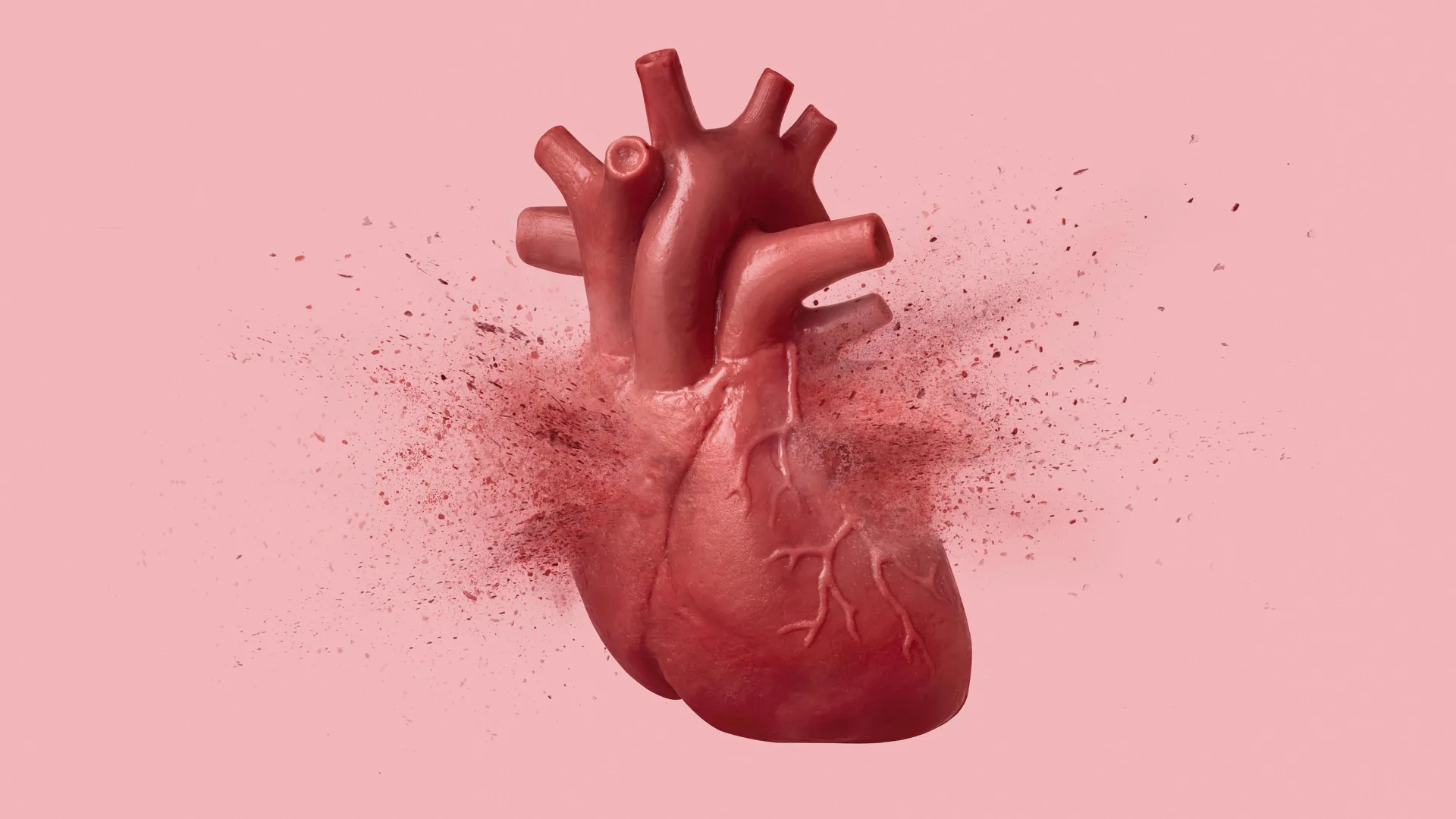
A new test called the BioTAK score can distinguish "broken heart syndrome" from a heart attack, potentially avoiding unnecessary invasive procedures. This breakthrough was announced after a validation study involving nearly 1,800 patients, where the score accurately classified almost 90% of cases.
"Broken heart syndrome," or takotsubo cardiomyopathy, occurs when extreme emotional stress leads to temporary heart dysfunction. Symptoms often mimic those of a heart attack, including chest pain and shortness of breath. This confusion can lead to patients undergoing invasive cardiac catheterization, which carries risks and costs. The development of the BioTAK score is significant because it aims to provide a non-invasive way to identify the syndrome early, helping doctors make better treatment decisions.
The BioTAK score utilizes a combination of biological sex and specific blood biomarkers to evaluate a patient’s condition. Researchers believe that understanding the differences in how men and women express symptoms of heart conditions is essential for accurate diagnosis. The validation study showed that the BioTAK score could significantly reduce the need for invasive testing, which is often stressful for patients and can delay treatment.
Looking ahead, the introduction of the BioTAK score could reshape how healthcare providers approach patients presenting with chest pain. If widely adopted, it may lead to quicker diagnoses and more appropriate treatments for those suffering from broken heart syndrome. This advancement not only highlights the importance of tailored medical approaches but also emphasizes the need for ongoing research into the complexities of heart health, particularly as it relates to emotional and psychological well-being.
Read Full Story at ScienceDaily →