UK government reviews nature protections to expedite Hinkley Point C nuclear plant
The UK government is reviewing nature-protection regulations to expedite the completion of the Hinkley Point C nuclear plant, which is crucial for meeting the country's 2050 net-zero target. Environm…
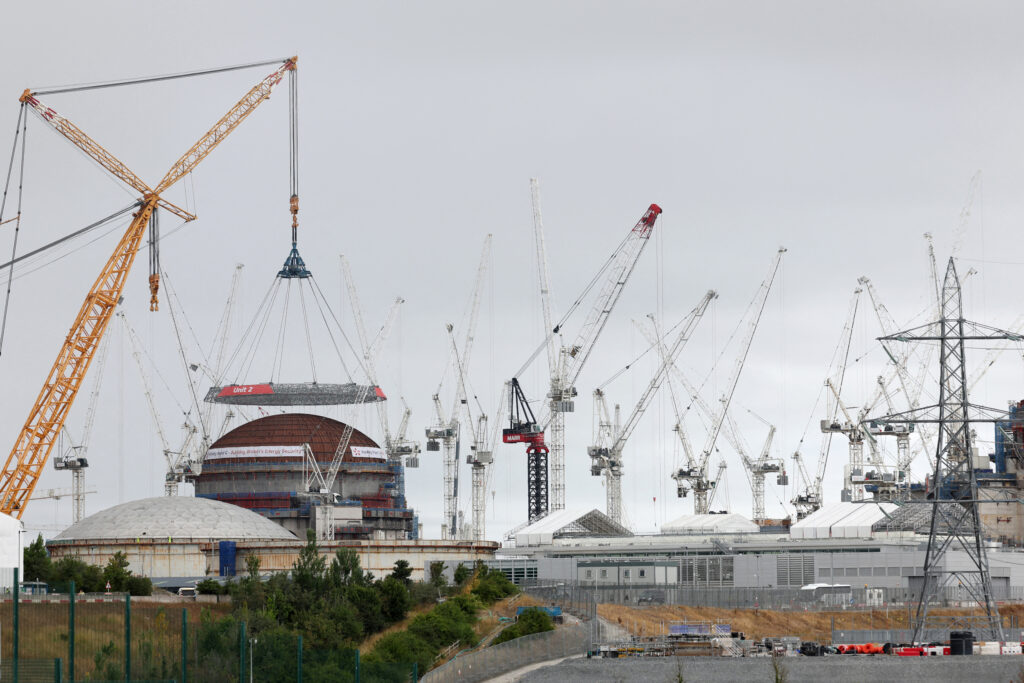
A government review announced on Tuesday will consider loosening nature‑protection rules to speed up the final phase of Hinkley Point C, the £22 billion nuclear plant under construction on England’s Somerset coast. The move follows a year of trials in which boats have laid a network of ultrasonic speakers on the seabed to keep fish away from the plant’s cooling‑water intake pipes. The technology is expected to save fewer than one salmon a year, officials say, but it would allow the plant to operate without breaching the European Union’s Habitats Directive, which the UK has retained in domestic law.
The review comes as Britain pushes to meet its 2050 net‑zero target. Nuclear power is seen as a cornerstone of the plan, providing steady baseload electricity while the country phases out coal and reduces reliance on natural gas. Hinkley Point C is the first new large‑scale reactor in the UK in more than a decade, and its output is needed to replace aging plants and support the growth of wind and solar. However, the project has faced criticism from environmental groups who argue that the plant’s intake screens could trap thousands of fish, including protected species, and that the seabed habitat around the site is a designated Special Area of Conservation.
Wildlife charities have warned that the proposed regulatory changes could set a dangerous precedent. The Royal Society for the Protection of Birds and the World Wide Fund for Nature both called the ultrasonic deterrent “a token gesture” that does not address the broader impact on marine ecosystems. The government argues the system is a proven, low‑impact solution that meets safety standards while allowing the plant to meet its output commitments. A public consultation on the draft changes will run for six weeks, and the Department for Energy Security and Net Zero says it will publish a final decision before the end of the year.
If the government approves the changes, Hinkley Point C could begin commercial operation by early 2028, adding 3.2 GW of low‑carbon electricity to the grid. Critics say the decision will likely be challenged in court, and that it could influence future infrastructure projects that intersect with protected habitats. The outcome will shape how Britain balances its climate ambitions with its obligations to protect wildlife, a debate that is expected to intensify as the country seeks to expand its clean‑energy portfolio.
Read Full Story at Inside Climate News →