Booksellers warn AI firms are buying and destroying rare books
Booksellers are alarmed that AI firms may be buying rare books to scan and destroy them, threatening the availability of unique literature. This practice could undermine the value of collectible work…
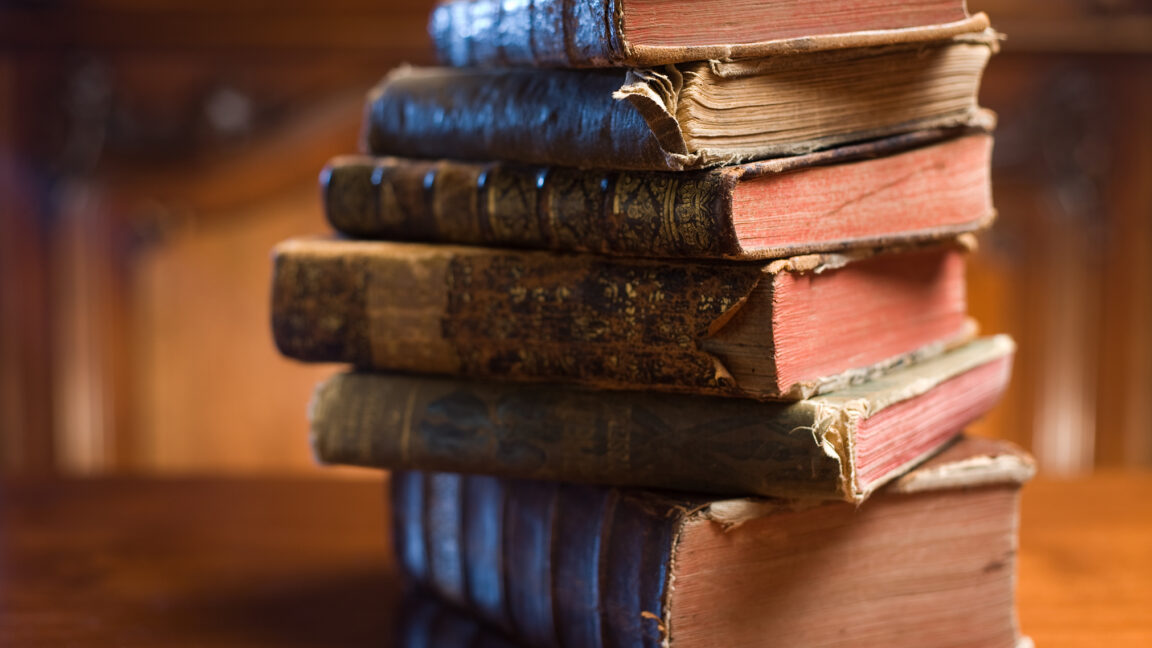
Booksellers are raising alarms about AI firms reportedly bulk buying rare books, potentially to scan and then destroy them, which threatens the market for collectible literature. This unsettling trend has emerged in recent months, as tech companies seek to build more advanced language models and digital resources.
The surge in demand for rare books is linked to the growing appetite for artificial intelligence tools. AI firms, facing pressure to improve their models, are looking for unique texts to train their algorithms. These books often contain rare insights or language styles that are not readily available in digital formats. Booksellers are concerned that if these firms continue to purchase and subsequently destroy rare books after digitization, it will lead to a loss of cultural heritage and significantly deplete the availability of unique works.
Reactions from booksellers and literary advocates have been swift and critical. Many argue that such practices undermine the value of rare books and ignore their significance beyond mere data sources. In addition, collectors are expressing dismay over potential devaluation of their investments if the rarity of these books diminishes. The Association of American Publishers has also voiced concerns, stressing the need for regulations to protect the literary market from predatory practices by tech companies.
Looking ahead, booksellers are calling for greater transparency and ethical standards within the AI industry. They are pushing for legislative measures that would safeguard rare books from being permanently removed from circulation. As AI continues to evolve, the intersection of technology and literature will require careful navigation to ensure that cultural artifacts remain accessible for future generations. The outcome of this conflict could shape the future of both the book industry and AI development.
Read Full Story at Ars Technica →