Blue Origin develops BE-7X rocket engine, cuts costs by 75%
Blue Origin is developing a new rocket engine, the BE-7X, which promises higher thrust at one-quarter the cost of competing engines and is set for flight tests by early 2027. This innovation could si…
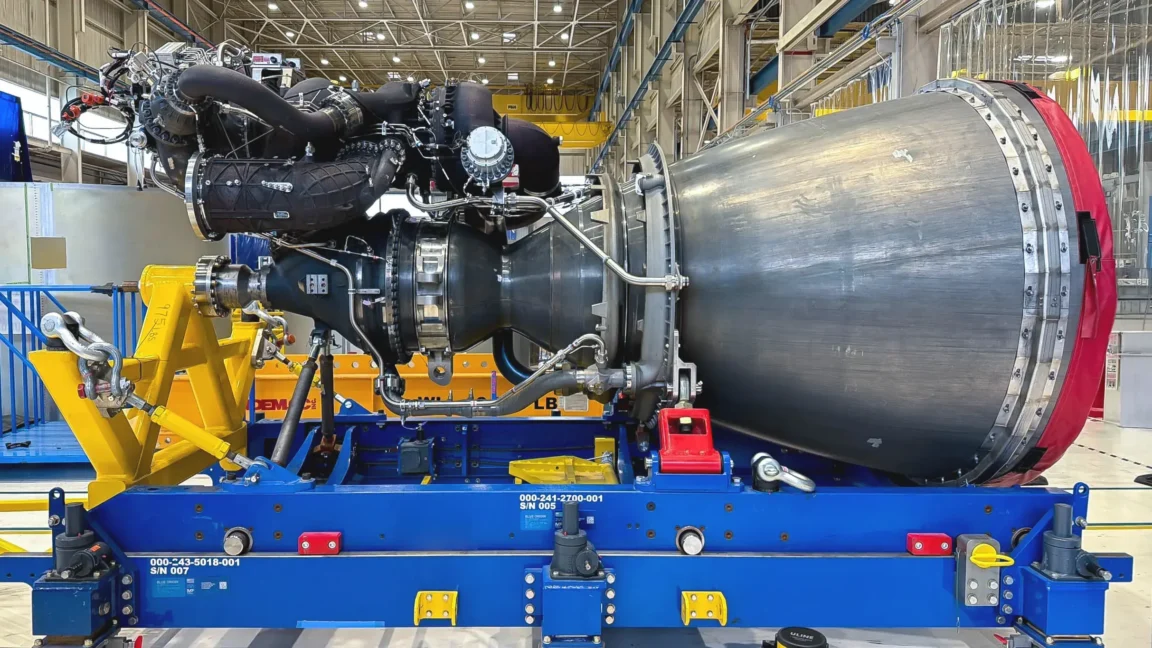
Blue Origin said on Tuesday it is developing a new rocket engine that will deliver higher thrust while costing about one‑quarter of what similar engines cost today, a claim the company called a “game‑changer.” The announcement came at a press event in Kent, Washington, where the firm unveiled a prototype of the engine, dubbed BE‑7X, and said it will be ready for flight tests by early 2027. The engine is intended for the company’s upcoming New Glenn heavy‑lift rocket and could also be offered to NASA for the Artemis program.
The move comes as the commercial launch market tightens and rivals push the limits of performance and price. SpaceX’s Raptor engine, for example, has set new standards for thrust and reusability, while United Launch Alliance is working on a cheaper, methane‑fuel engine for its Vulcan rocket. Blue Origin’s earlier BE‑4 engine, built for United Launch Alliance, has struggled with delays and cost overruns, prompting the firm to rethink its approach. By using a simpler design and new manufacturing techniques, engineers say they can cut material waste and reduce the number of parts, driving down the price per unit.
Industry analysts said the new engine could shift the economics of heavy‑lift launch services if the performance and cost targets are met. “If Blue Origin can truly deliver a 25 percent cost reduction while boosting thrust, it will force the whole sector to reassess pricing,” said Laura Chen, a senior analyst at SpaceTech Insights. NASA officials expressed cautious optimism, noting that the agency is looking for multiple suppliers for Artemis lunar missions. Investors also welcomed the news, with Blue Origin’s parent company, Amazon founder Jeff Bezos’s aerospace venture, seeing its stock rise modestly after the briefing.
Blue Origin plans to begin ground‑based hot‑fire tests of the BE‑7X later this year, followed by integration trials on a New Glenn test vehicle in 2026. If those milestones are met, the engine could be offered to commercial customers and government programs by 2028. Success would give the company a stronger foothold in a market increasingly driven by cost efficiency and rapid turnaround, and could reshape the competitive landscape for future deep‑space missions.
Read Full Story at Ars Technica →