Bitcoin falls 4.5% as U.S.-Iran tensions rise
Bitcoin dropped 4.5% as U.S.-Iran tensions spiked, moving in line with risk-off market behavior. This highlights Bitcoin's speculative nature, failing to act as a stable hedge during geopolitical unc…
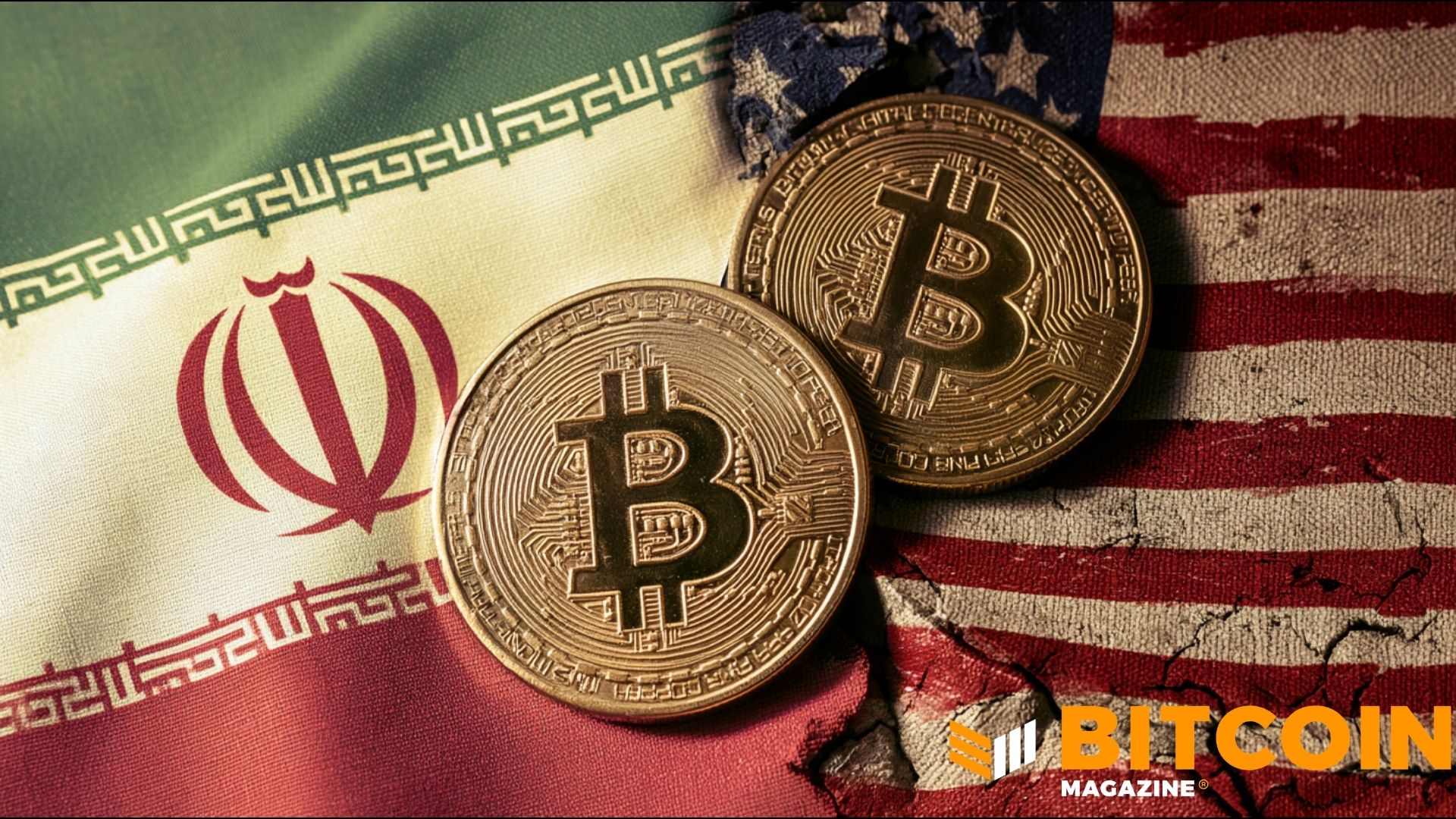
Bitcoin slid 4.5 percent on Tuesday as U.S.-Iran tensions flared after Iran launched missiles at American bases in Iraq, rattling global markets and driving investors toward traditional havens.
The cryptocurrency’s drop came as oil prices surged above $70 a barrel and gold jumped to seven-year highs, signaling a classic risk-off move. Analysts said the sudden spike in geopolitical risk had traders pulling money from volatile assets like Bitcoin into safer options. “When the world feels less stable, people tend to sell things they think they can sell fast,” said Noelle Acheson, head of research at CoinDesk. The price of Bitcoin fell to around $7,200 from $7,550 within hours, according to CoinMarketCap data.
This isn’t the first time Bitcoin has moved on geopolitical news. In 2019, the cryptocurrency jumped 20 percent during the U.S.-China trade war and surged again in late 2020 as inflation fears grew. But this selloff is different. It’s not about Bitcoin being seen as “digital gold” — it’s because the market sees it as a high-risk asset that loses value when uncertainty spikes. Equities, the dollar, and even some emerging market currencies outperformed Bitcoin during the day.
What happens next depends on how the Iran crisis develops. If de-escalation talks begin, Bitcoin could bounce back as risk appetite returns. But if the situation worsens — for example, if Iran blocks oil shipments or the U.S. responds with new sanctions — Bitcoin could drop further. Either way, the episode shows that Bitcoin is still treated as a speculative bet, not a safe store of value, by most investors. That limits its role as a hedge against global instability.
Read Full Story at Bitcoin Magazine →


