Before you buy a used GameCube, check for this common issue
Make sure you don’t buy a model that’s incompatible with your games. Buying a GameCube is one of the few official ways to experience the console's library for the first time or relive your childhood…
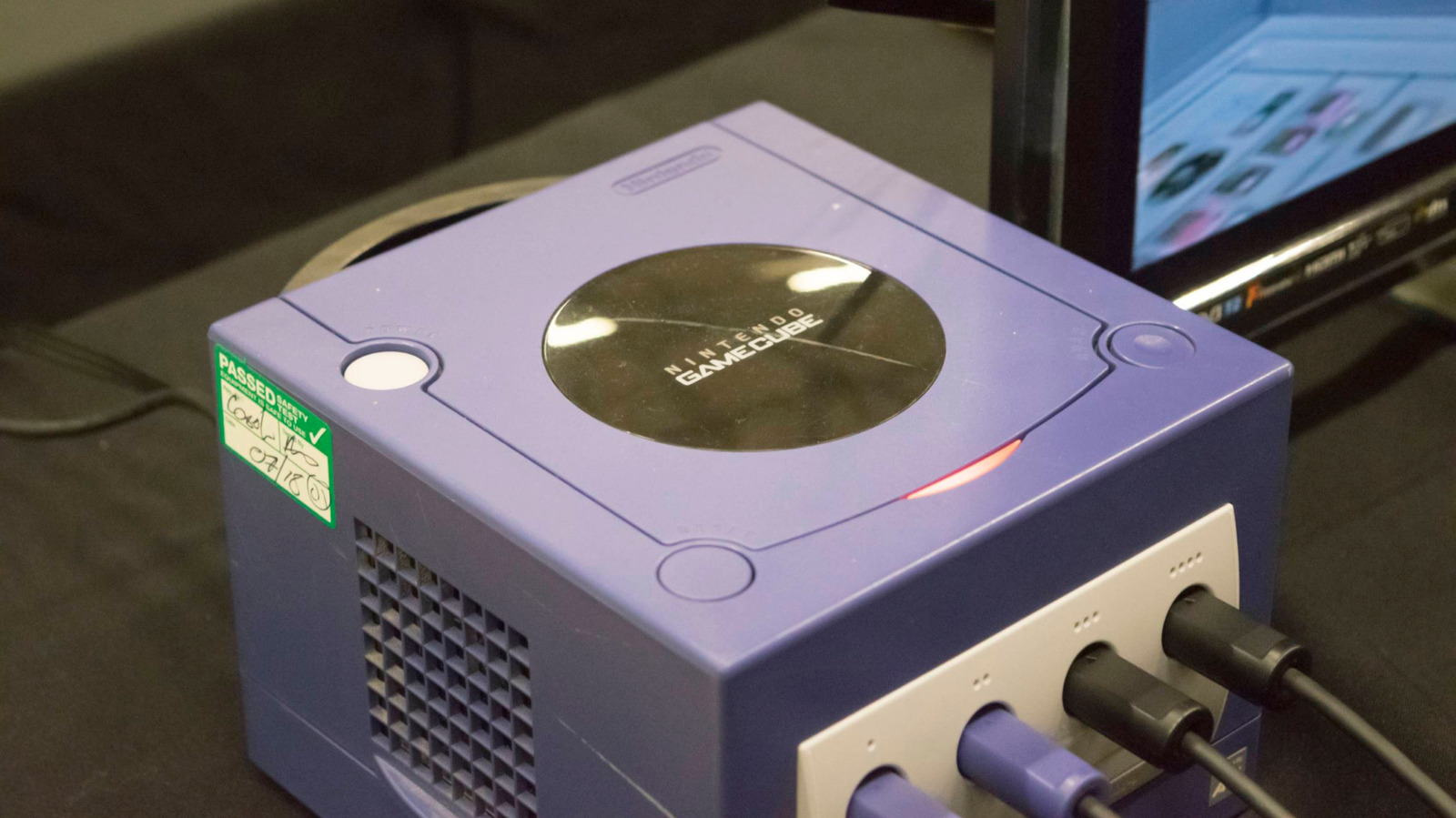
Make sure you don’t buy a model that’s incompatible with your games.
Buying a GameCube is one of the few official ways to experience the console's library for the first time or relive your childhood favorites. And while the 'Cube has fewer hurdles to using it today than many of its ancestors have, it's not necessarily as simple as plugging and playing. If you're not careful with the model you buy, you could end up not being able to play any games.
This isn't the only problem with using a console that's a quarter-century old and was discontinued in 2007. Of course, there's always the general risk of hardware failure over time, leading to discs not reading or internal batteries dying. But you might not know a small revision to the console removed a feature that's more relevant today than it was when the system was new.
Given how expensive GameCube collections are now , be sure to check the details so you don't make a costly mistake.
The GameCube is region-locked, which means that a given console will only play games that were made for its market. If you buy an American GameCube, it won't play Japanese games.
There are three major regions the console was built for: North America (NTSC-U), Japan (NTSC-J), and Europe/Oceania (PAL). These NTSC and PAL terms come from older analog TV standards matching the power grids used in each area. The differences are why retro European games run at 50 or 25FPS, instead of the 60 or 30FPS familiar to North Americans.
Region locking was a common limitation in the '90s and 2000s. Earlier Nintendo consoles like the NES and SNES were also limited by region, along with the PlayStation and Dreamcast. The practice wasn't as frequent on handhelds, since the built-in screens bypassed the analog TV problems.
Thankfully, today's consoles don't have this drawback. The Nintendo Switch 2, PS5, and Xbox Series are all region-free, letting you play physical games from anywhere. However, there are still some regional restrictions. You can only use the digital store for the country your account is associated with, and you have to use a payment method from that location. DLC is also typically region-locked, so you can't buy a European expansion for an American game.
Read Full Story at Engadget →