Australia's migrant policy offers lessons for EU and US
Nations that send asylum seekers to third countries for offshore processing and holding could spend billions, only to face accusations of human rights abuses and financial mismanagement, as in Austra…
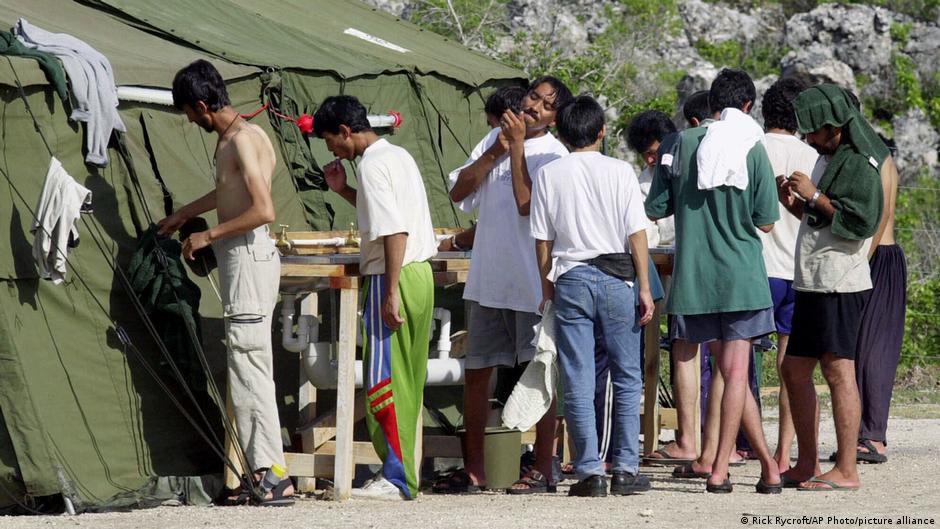
Nations that send asylum seekers to third countries for offshore processing and holding could spend billions, only to face accusations of human rights abuses and financial mismanagement, as in Australia .
The European Union has nevertheless been considering the idea, and the United States has already made similar third-country deals, but Australia has been processing or relocating people outside the country where they seek protection for more than two decades.
Former Australian Prime Minister John Howard introduced the so-called Pacific Solution in 2001, targeting immigrants who arrived by boat, and establishing Australian migration processing centers with the help from governments in Papua New Guinea (PNG) and the tiny island nation of Nauru .
Center-left and center-right governments described the policy as a deterrent, saying people were less likely to attempt dangerous ocean crossings or pay smugglers if arriving by boat did not provide a route to Australia. In his 2001 election policy speech, Howard said the famous line, frequently quoted since: "We will decide who comes to this country and the circumstances in which they come."
In 2008, a newly elected Labor Party government phased out the practice, saying it was a cynical, costly, and ultimately unsuccessful exercise.
But faced with more deaths at sea, a Labor government under Prime Minister Julia Gillard started sending maritime arrivals to Nauru and Manus again in 2012, after an expert panel recommended reopening the centers.
"I'm not going to play politics or look at political scoreboards when too many lives have been lost," Gillard said at the time.
Between 2013 and 2014, the number of people transferred offshore peaked to more than 3,000.
Read Full Story at DW World →