Archaeologists uncover 6th-century Etruscan well with ritual offerings in Lazio
Archaeologists in Lazio, Italy, discovered a 6th-century BCE Etruscan well used for rituals, featuring offerings to a goddess and human burials. This find enhances our understanding of Etruscan relig…
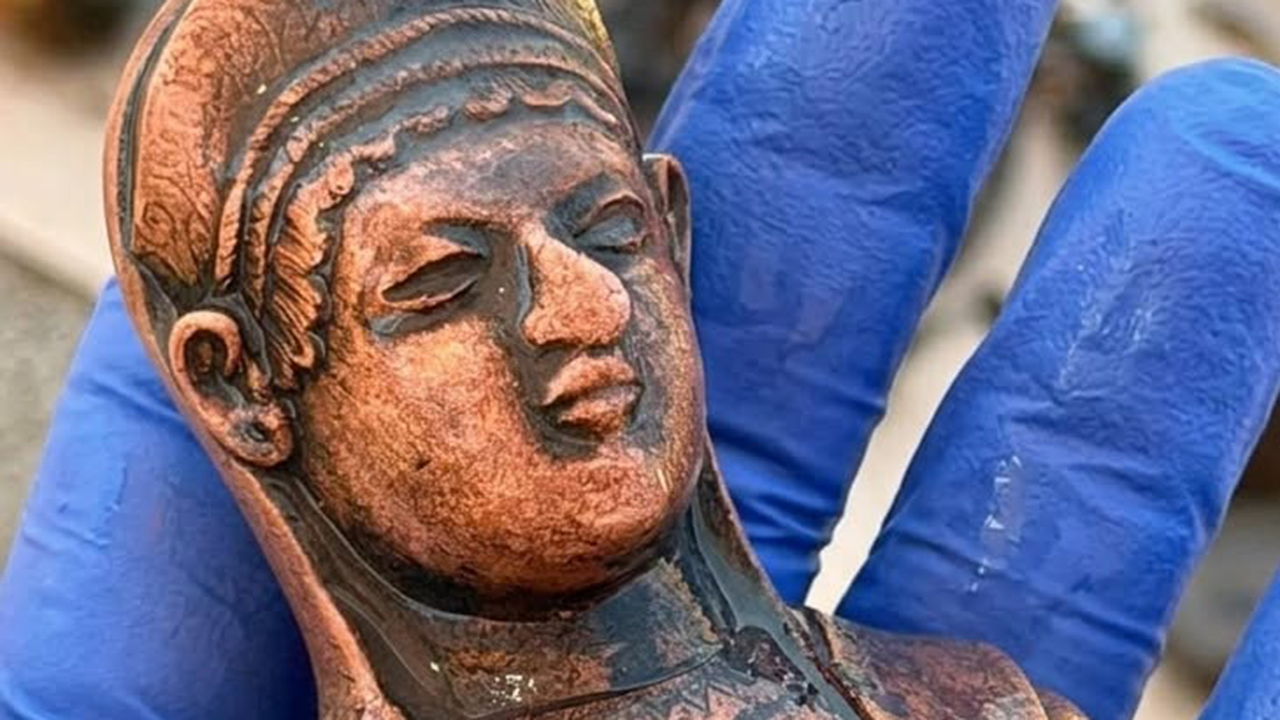
Archaeologists in Italy have uncovered an ancient Etruscan well that appears to have been used for ritualistic purposes, featuring offerings for a goddess alongside human burials. This significant discovery was made in the region of Lazio, where the Etruscans thrived before the rise of Rome. The site, believed to date back to the 6th century BCE, has revealed bronze artifacts and skeletal remains, providing a glimpse into the religious practices of this mysterious civilization.
The find comes at a time when interest in Etruscan culture is on the rise, fueled by ongoing archaeological research and the recent discovery of other Etruscan sites. The Etruscans, known for their advanced art and complex society, have often been overshadowed by their Roman successors. This well, however, sheds light on their spiritual life and rituals, indicating that they held a deep reverence for their deities. The presence of offerings, such as bronze plates and figurines, suggests that the well was a dedicated site for worship and possibly a place where locals sought divine favor.
Initial analysis of the human remains indicates that they might have been intentionally placed in the well as part of a closing ritual. This practice could suggest a belief in the power of sacrifice or the idea of providing something valuable to the afterlife. The artifacts found alongside the bodies offer further clues about Etruscan burial customs and the social structure of the community that used the well.
The discovery is expected to lead to further excavations and research, potentially unearthing additional artifacts that could redefine our understanding of Etruscan religious practices. As archaeologists continue to study the site, they hope to piece together the significance of the well within the broader context of Etruscan civilization. This find not only enriches our knowledge of the past but also highlights the importance of preserving archaeological sites for future generations.
Read Full Story at Live Science →