Apple’s first folding iPhone won’t kill Android foldables — it will save them
We’re fast approaching a decade since the first commercially available foldable phones arrived — yes, I’m counting the hilariously bad Royole FlexPai. Yet, despite the strides we’ve made in the techn…
Affiliate links on Android Authority may earn us a commission. Learn more.
We’re fast approaching a decade since the first commercially available foldable phones arrived — yes, I’m counting the hilariously bad Royole FlexPai. Yet, despite the strides we’ve made in the technology behind them, foldables as a category are stuck behind a proverbial wall.
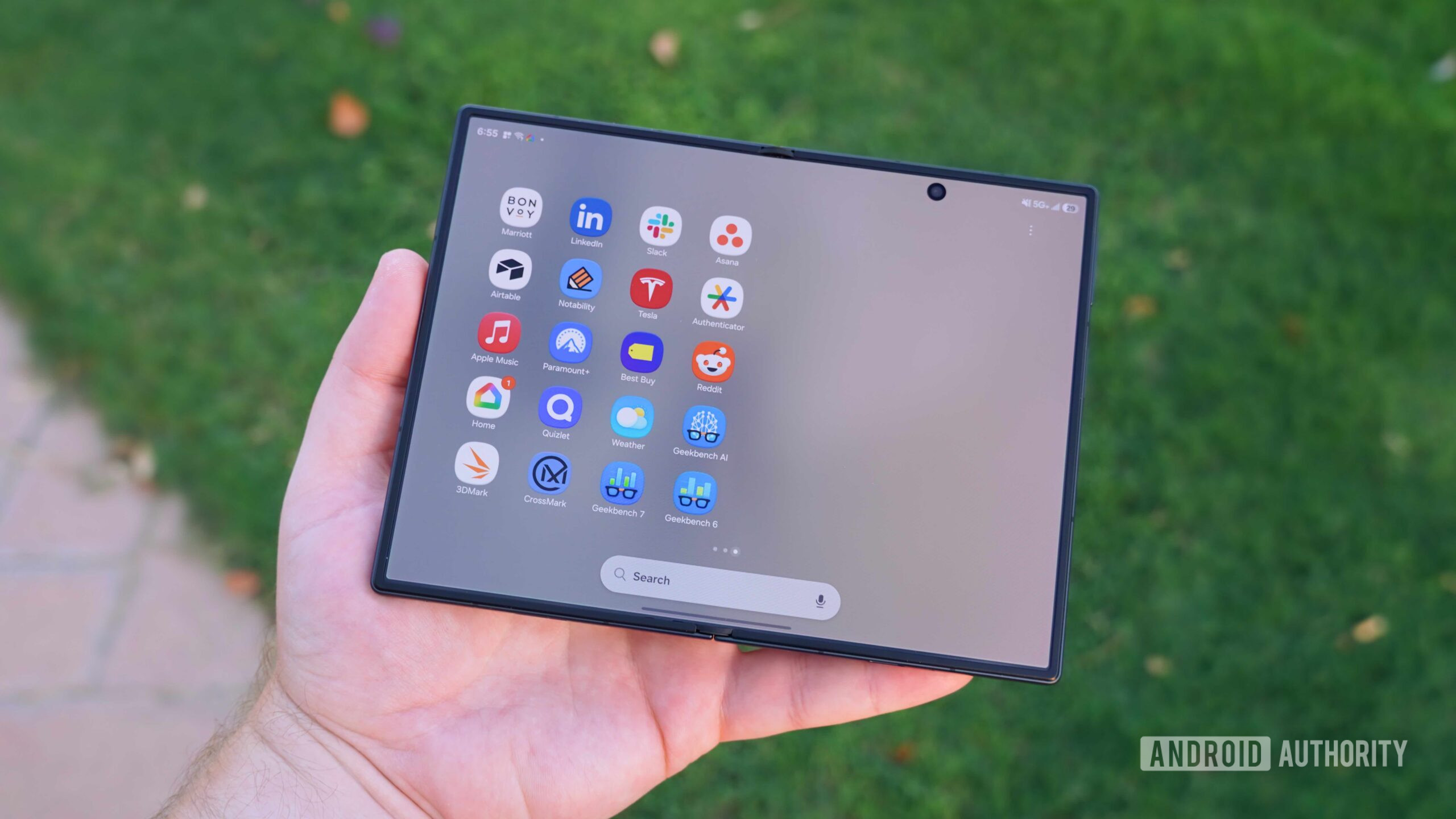
Everyone from Samsung to Google, Motorola, and a plethora of Chinese OEMs have spent years redesigning hinges, improving displays, and offering increasingly aggressive trade-in deals to spur take-up. Despite that, foldables still make up just 1.6% of global smartphone shipments.
For an industry that once considered folding screens the next big revolution in mobile computing, the category shipped 19.6 million units last year, according to Counterpoint Research . That’s an 18% year-over-year increase, which sounds impressive on paper. But when foldables still account for just 1.6% of the overall smartphone market, it feels less like explosive growth and more like a category struggling to break through. Let’s be real, it’s a drop in the bucket.
The fact is that Android phone makers have hit an adoption ceiling. Aside from early adopters and tech enthusiasts, most people remain deeply skeptical of foldables. Android manufacturers might’ve pulled off an incredible feat of engineering, but they’ve struggled to convince the other 98% of the market that they actually need one. I believe Apple’s foldable will change that.
If the last two decades or more of consumer technology have taught us anything, it is that new product categories rarely become truly mainstream until Apple enters the picture.
We have seen it happen with smartwatches, wireless earbuds, and tablets. Even the MP3 player, if you go back as far as the iPod. Smartwatches existed long before the Apple Watch, but they were mostly seen as niche gadgets for fitness enthusiasts. The year Apple introduced the Apple Watch, the smartwatch market grew more than fourfold year over year. The Apple Watch accounted for 63% of that.
Wireless earbuds were just another Bluetooth accessory until AirPods turned them into a cultural phenomenon. The early years of true wireless earphones were full of AirPods copycats. AirPods became so culturally synonymous with the category that, for many consumers, “AirPods” became shorthand for the entire idea of wireless earbuds. Apple is one of those rare brands that has the cultural cachet to define the lexicon.
Read Full Story at Android Authority →