NASA showcases Pelican Nebula's vibrant star formation in new image
NASA's Astronomy Picture of the Day featured the Pelican Nebula, a vibrant stellar nursery 1,800 light-years away in Cygnus, highlighting ongoing star formation. This image underscores the significan…
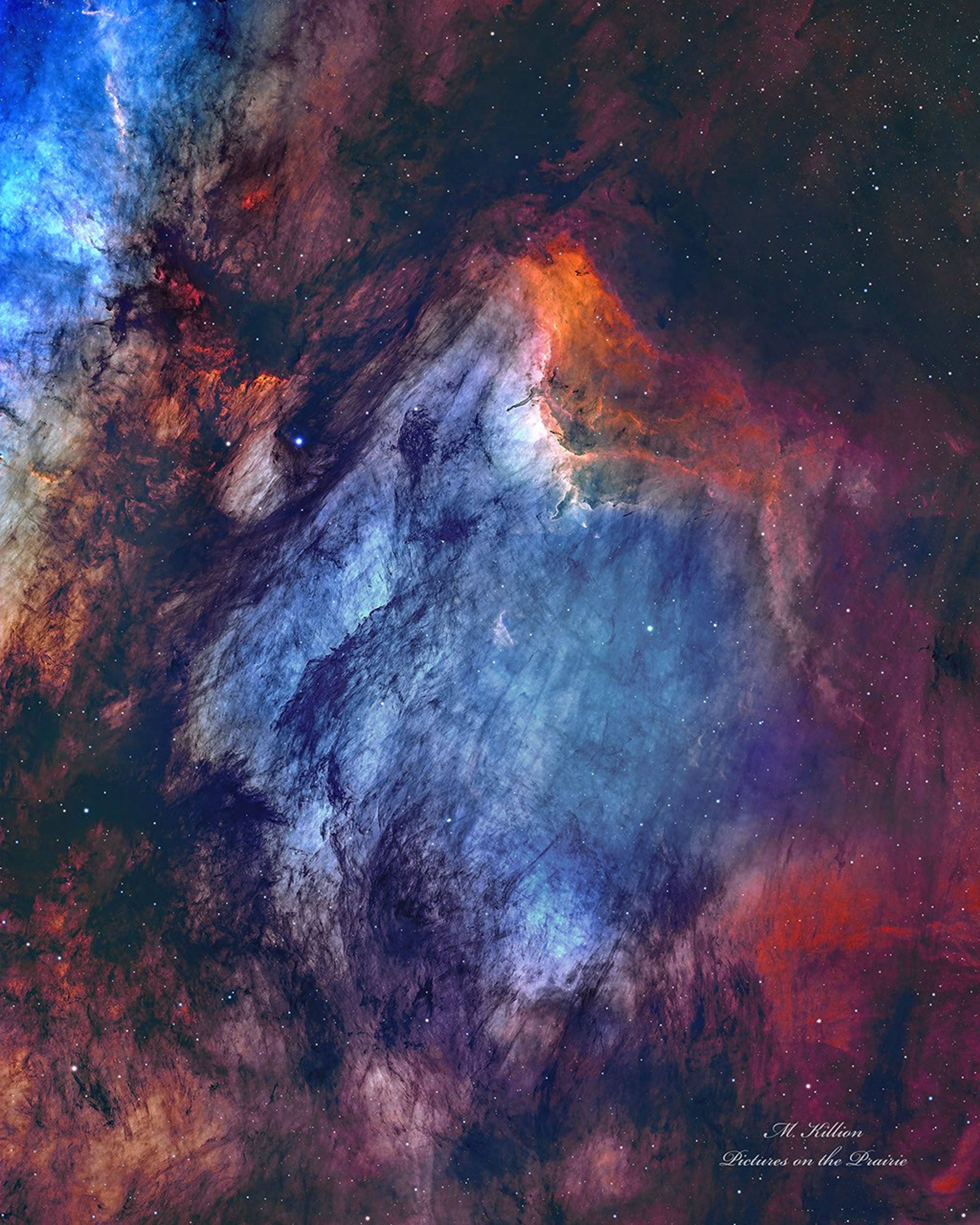
NASA has released a stunning image of the Pelican Nebula as part of its Astronomy Picture of the Day series on September 7, 2026. This vibrant nebula, located approximately 1,800 light-years away in the constellation Cygnus, showcases the intricate interplay of gas, dust, and young stars. The image highlights the nebula's distinct shape, resembling a pelican, and illustrates the ongoing processes of star formation within this dynamic region of space.
The Pelican Nebula has garnered attention from astronomers and space enthusiasts alike. It is part of a larger molecular cloud complex, known as IC 5070, which plays a crucial role in the life cycle of stars. The timing of this release coincides with increased interest in nebulae and their role in the universe, particularly as new observatories and telescopes come online. Instruments like the James Webb Space Telescope have provided unprecedented views of such formations, helping scientists understand how stars and planetary systems emerge from clouds of gas and dust.
In this captivating image, the colorful swirls of gas and dust illuminate the ongoing processes of star birth. The Pelican Nebula is a stellar nursery, with many young stars still forming within its dense regions. Observations of these areas not only enhance our understanding of stellar evolution but also contribute to broader discussions about the origins of planetary systems, including our own.
The ongoing study of the Pelican Nebula and similar celestial phenomena holds significant implications for astrophysics. As researchers analyze data from multiple sources, including ground-based and space telescopes, they aim to uncover the mysteries of star formation. Future missions and advancements in technology may yield even clearer insights, deepening our understanding of the universe's structure and the processes that govern it. The Pelican Nebula, with its striking beauty and scientific importance, serves as a reminder of the vastness of space and our quest to explore it.
Read Full Story at NASA →