NASA highlights Hawaiian celestial alignment in September 4 Astronomy Picture of the Day
NASA's Astronomy Picture of the Day for September 4, 2026, features a rare celestial alignment, blending indigenous Hawaiian beliefs with modern astrophysics. This highlights the importance of integr…

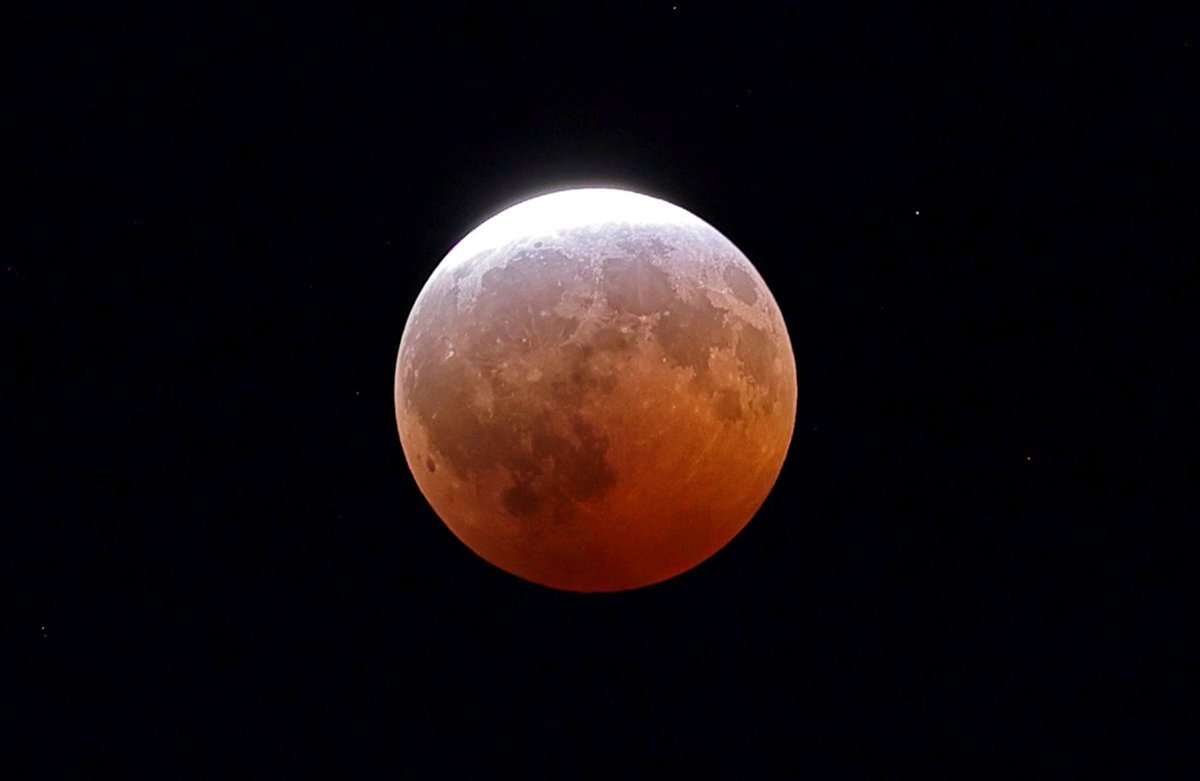
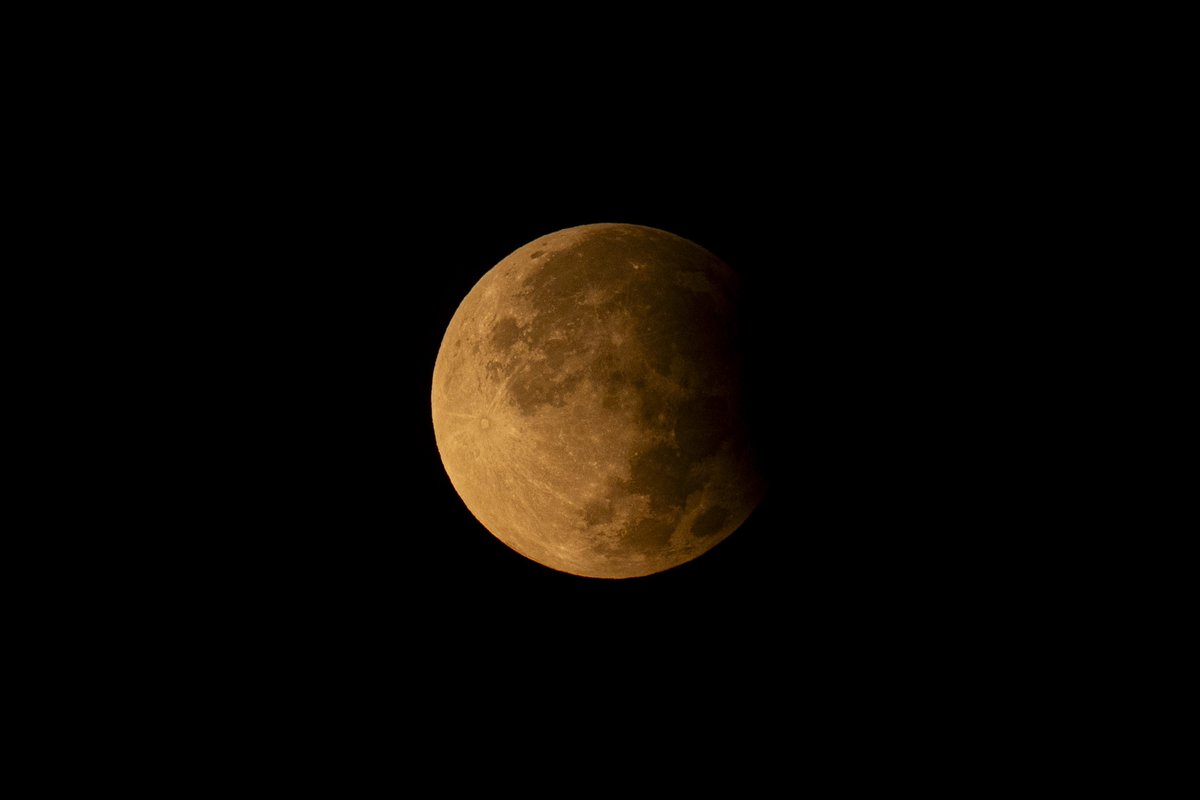
NASA's Astronomy Picture of the Day (APOD) for September 4, 2026, features a stunning image titled "Nā ʻUhane Mahoe Huki Pu i ke Ola," showcasing a celestial phenomenon that has captivated both scientists and the public. The image highlights a unique aspect of the cosmos that blends cultural significance with astronomical wonder, emphasizing the connection between indigenous Hawaiian beliefs and modern astrophysics.
This APOD release comes at a time when interest in the intersection of culture and science is on the rise. As global discussions about climate change and space exploration continue to evolve, more organizations are recognizing the importance of incorporating diverse perspectives. In Hawaii, where the stars are traditionally viewed through a cultural lens, the image serves as a reminder of the rich heritage of navigation and astronomy practiced by native Hawaiians. This approach not only honors their traditions but also encourages broader engagement with the scientific community.
The image itself depicts a rare alignment of celestial bodies, which has not been observed in decades. This alignment is significant for astronomers, as it offers a unique opportunity to study the gravitational effects between these celestial bodies and gain insights into their composition and behavior. Furthermore, the APOD explanation, crafted by a professional astronomer, connects the scientific observations to the cultural narratives that have long been part of Hawaiian history, making the content rich and multifaceted.
Looking ahead, this blending of cultural heritage with scientific inquiry may pave the way for future collaborations between scientists and indigenous communities. As NASA continues to highlight diverse narratives in its outreach efforts, the hope is that such initiatives will inspire a new generation of scientists and foster greater appreciation for the cosmos. By recognizing and celebrating cultural significance in scientific discovery, we can promote a more inclusive understanding of our universe and its myriad stories.
Read Full Story at NASA →