NASA APOD to feature Sun image on August 9, 2026
NASA’s APOD will feature a high-resolution Sun image on August 9, 2026, showing solar activity like sunspots during the Solar Cycle 25 peak. This matters because real-time solar monitoring helps pred…
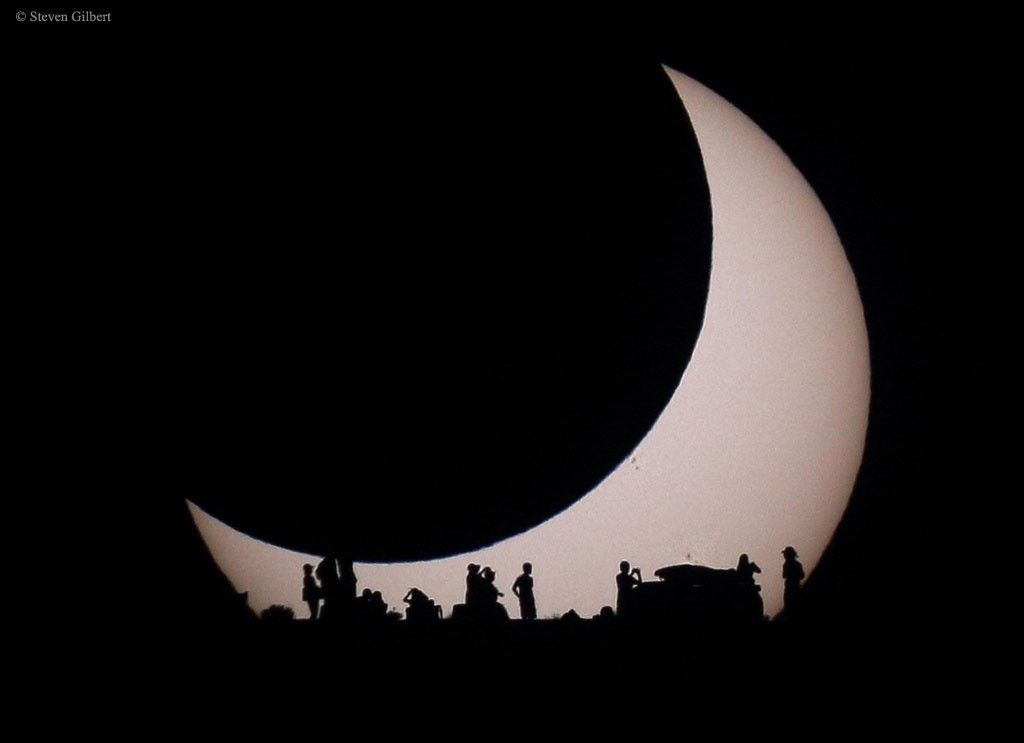
NASA’s Astronomy Picture of the Day (APOD) will feature a striking image of the Sun on August 9, 2026, offering the public a rare glimpse into our star’s dynamic surface. The upcoming APOD entry, titled “Contemplating the Sun,” will showcase high-resolution imagery likely captured by advanced solar telescopes such as NASA’s Solar Dynamics Observatory (SDO) or the upcoming European Solar Orbiter mission. These instruments monitor solar activity in real time, helping scientists track sunspots, flares, and coronal mass ejections that can affect space weather and Earth-based technology.
APOD has been a daily public outreach program since 1995, curated by astronomers to translate complex cosmic phenomena into accessible visual stories. Each entry pairs a stunning image with a concise explanation written by experts, making astronomy engaging for millions worldwide. The August 9, 2026 selection aligns with a period of increasing solar activity as the Sun approaches the peak of Solar Cycle 25, expected between 2024 and 2026. During this phase, sunspots and solar flares become more frequent, raising both scientific interest and public awareness of our star’s influence.
The featured image will likely highlight intricate solar structures such as prominences, loops of plasma arcing above the Sun’s surface, or a powerful solar flare captured in ultraviolet or X-ray wavelengths. NASA’s SDO, for instance, delivers a new image every 12 seconds, while Solar Orbiter’s closer vantage point will reveal unprecedented detail. These observations help researchers predict space weather events that can disrupt satellites, power grids, and communications on Earth. The APOD team selects images not only for their beauty but for their scientific relevance, offering a moment of reflection on the Sun’s power and our place in the solar system.
Looking ahead, the data and images from missions like SDO and Solar Orbiter will continue to feed public outreach and scientific research simultaneously. The next solar maximum is expected around 2030, and long-term monitoring will help scientists refine models of solar behavior. For now, the August 9 APOD invites viewers to pause and consider the Sun—not just as a distant light, but as a living, breathing star whose rhythms shape life on Earth.
Read Full Story at NASA →