Total solar eclipse to attract thousands across U.S. on August 17, 2026
On August 17, 2026, a total solar eclipse, called the "Golden Corona Eclipse," will be visible in parts of the U.S., the first total eclipse in seven years. This rare event is expected to attract tho…
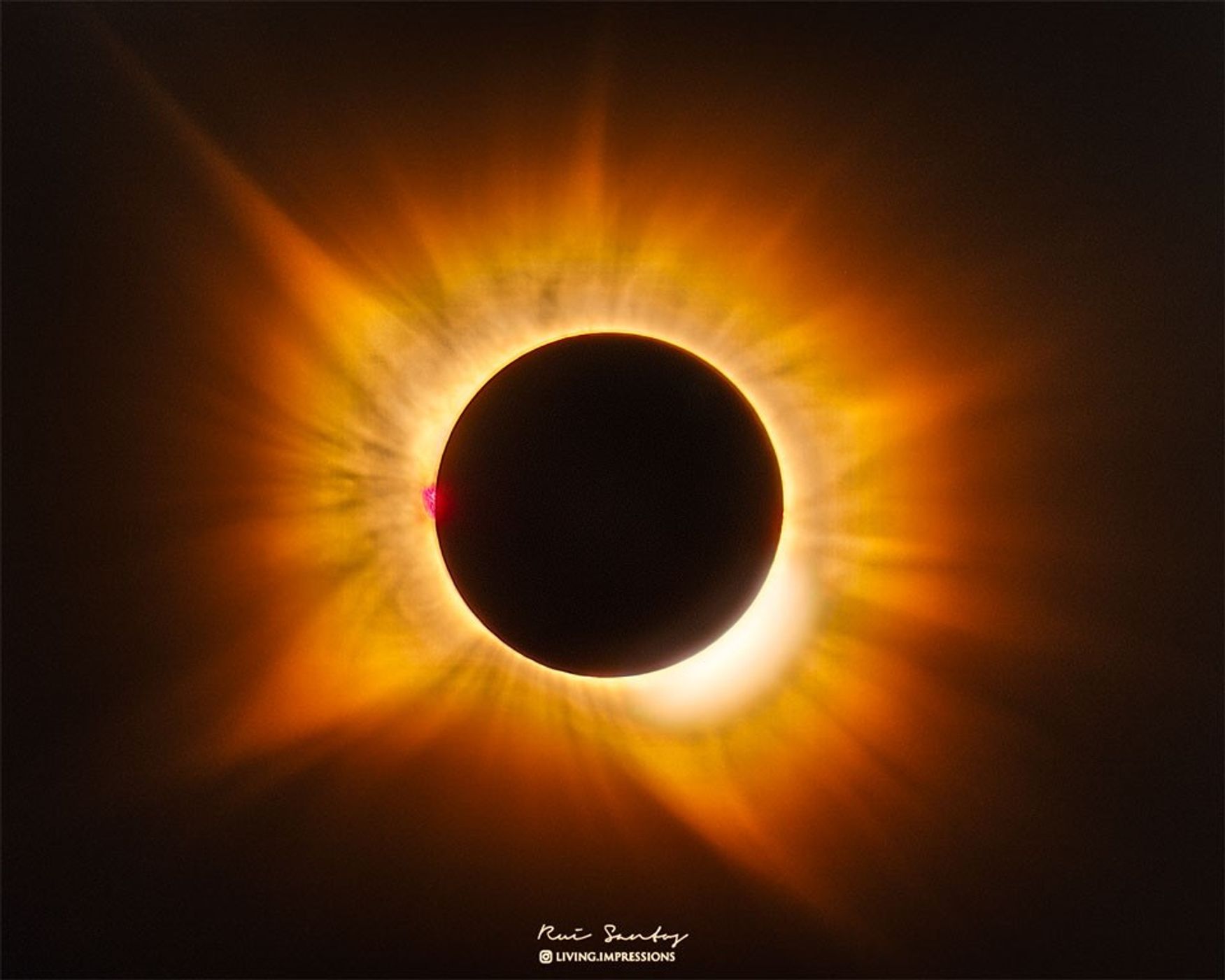
On August 17, 2026, a total solar eclipse will be visible across parts of the United States, marking a significant astronomical event known as the "Golden Corona Eclipse." This rare phenomenon occurs when the moon completely covers the sun, revealing the sun's outer atmosphere, or corona, in a stunning display of light and shadow.
The timing of this eclipse is particularly noteworthy as it follows another total solar eclipse that crossed the U.S. on April 8, 2024. Eclipses often generate excitement due to their infrequency and the unique experience they provide. The upcoming eclipse will be especially memorable for many, as it will be the first total solar eclipse viewed from the continental United States in seven years. This event is expected to attract thousands of spectators and astronomers who will travel to the path of totality, where the eclipse will be most visible.
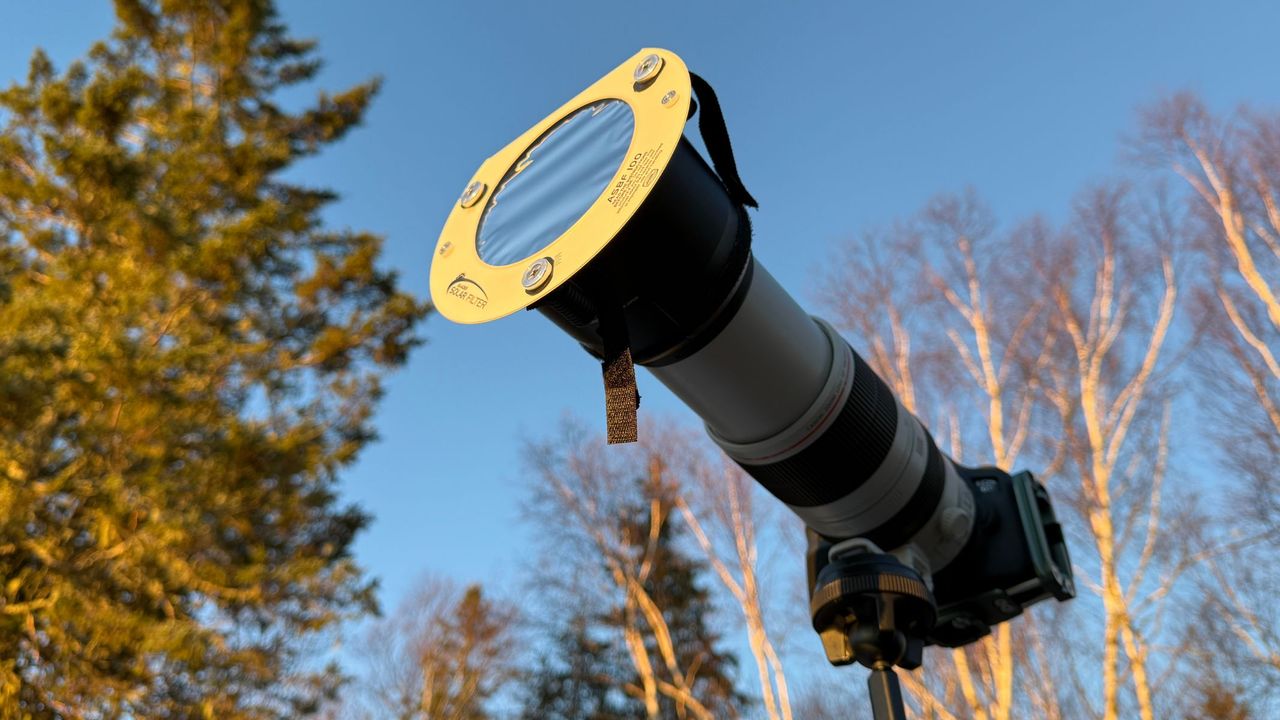
NASA and various astronomical organizations are preparing for the event by organizing viewing parties and educational programs. They emphasize the importance of safe viewing practices, as looking directly at the sun can cause serious eye damage. The eclipse will last a few minutes in the path of totality, and during that time, the temperature will drop, and wildlife behavior may change, making it a unique moment for both nature enthusiasts and scientists.
As the date approaches, communities in the path of the eclipse are planning for increased tourism and potential economic benefits. Hotels and local businesses are preparing to accommodate the influx of visitors eager to witness this celestial event. The excitement surrounding the Golden Corona Eclipse serves as a reminder of humanity's ongoing fascination with the cosmos, and it offers an opportunity for education and engagement with science.
Read Full Story at NASA →