Anthropic announces $2 trillion IPO, appoints trustees for ethical AI oversight
Anthropic is preparing a $2 trillion IPO, introducing external trustees to ensure ethical AI development amid growing scrutiny of the tech industry's impact. This move could influence corporate gover…
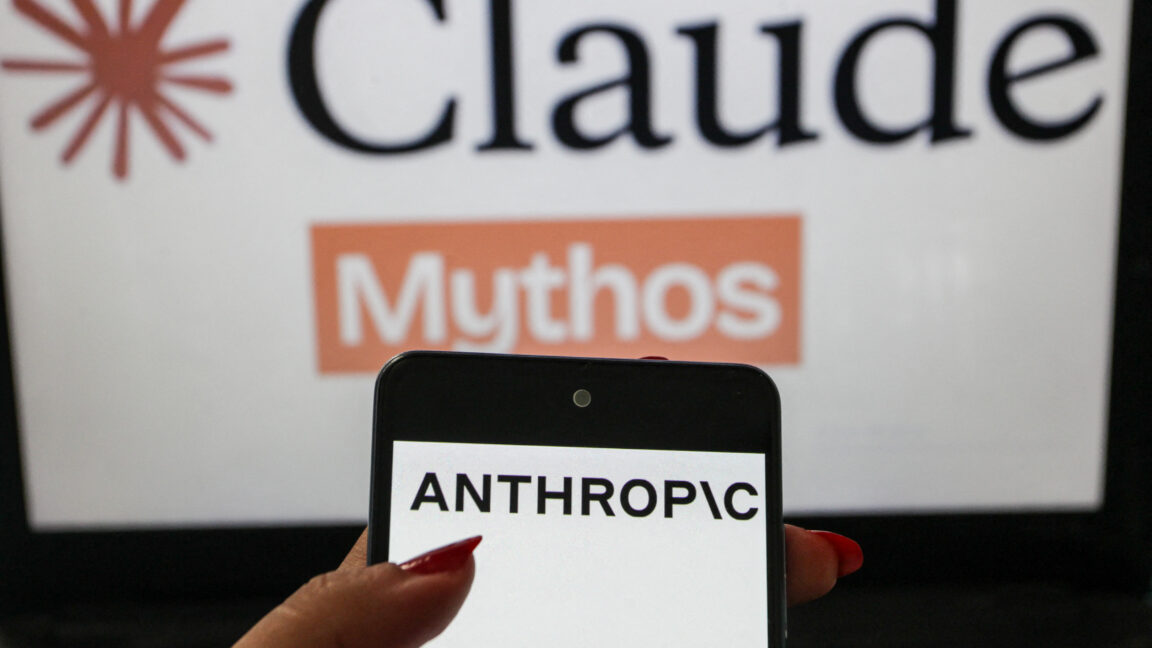
Anthropic, the AI research firm known for its Claude language model, is set to launch a $2 trillion initial public offering (IPO), bringing a unique structure of external trustees into the spotlight. This move represents one of the largest IPOs in history and highlights the company's commitment to balancing profitability with ethical considerations in artificial intelligence development.
The tech industry has been under increasing scrutiny regarding the implications of AI technologies. Concerns about privacy, bias, and job displacement have prompted calls for greater accountability. Anthropic's decision to appoint external trustees aims to address these issues by ensuring that its profit-driven endeavors do not compromise its stated mission of promoting safe and responsible AI. The timing of the IPO coincides with a surge in interest in AI applications and the need for companies to demonstrate responsible practices to gain public trust.
The IPO's size reflects immense investor confidence in Anthropic's potential. The company has reported growing demand for its AI tools, serving sectors ranging from healthcare to finance. By integrating external trustees into its governance framework, Anthropic seeks to reassure stakeholders that it will prioritize ethical considerations even as it expands its market reach. Some industry experts view this as a groundbreaking approach that could influence other companies in the tech space to adopt similar governance structures.
Looking ahead, the success of this IPO could set a precedent for how AI companies operate in the public eye. Shareholder expectations will likely evolve, demanding transparency and responsibility in AI development. If Anthropic can demonstrate that profit and purpose can coexist, it may pave the way for a new model of corporate governance in the tech industry. This could also encourage regulators to consider how governance structures can evolve to keep pace with rapidly advancing technologies, particularly in fields as impactful as artificial intelligence.
Read Full Story at Ars Technica →