Researchers discover animals break down ancient bioplastics for millions of years
Researchers have discovered that various animal species can break down microbial bioplastics known as polyhydroxyalkanoates (PHAs), which they have been consuming for hundreds of millions of years. T…
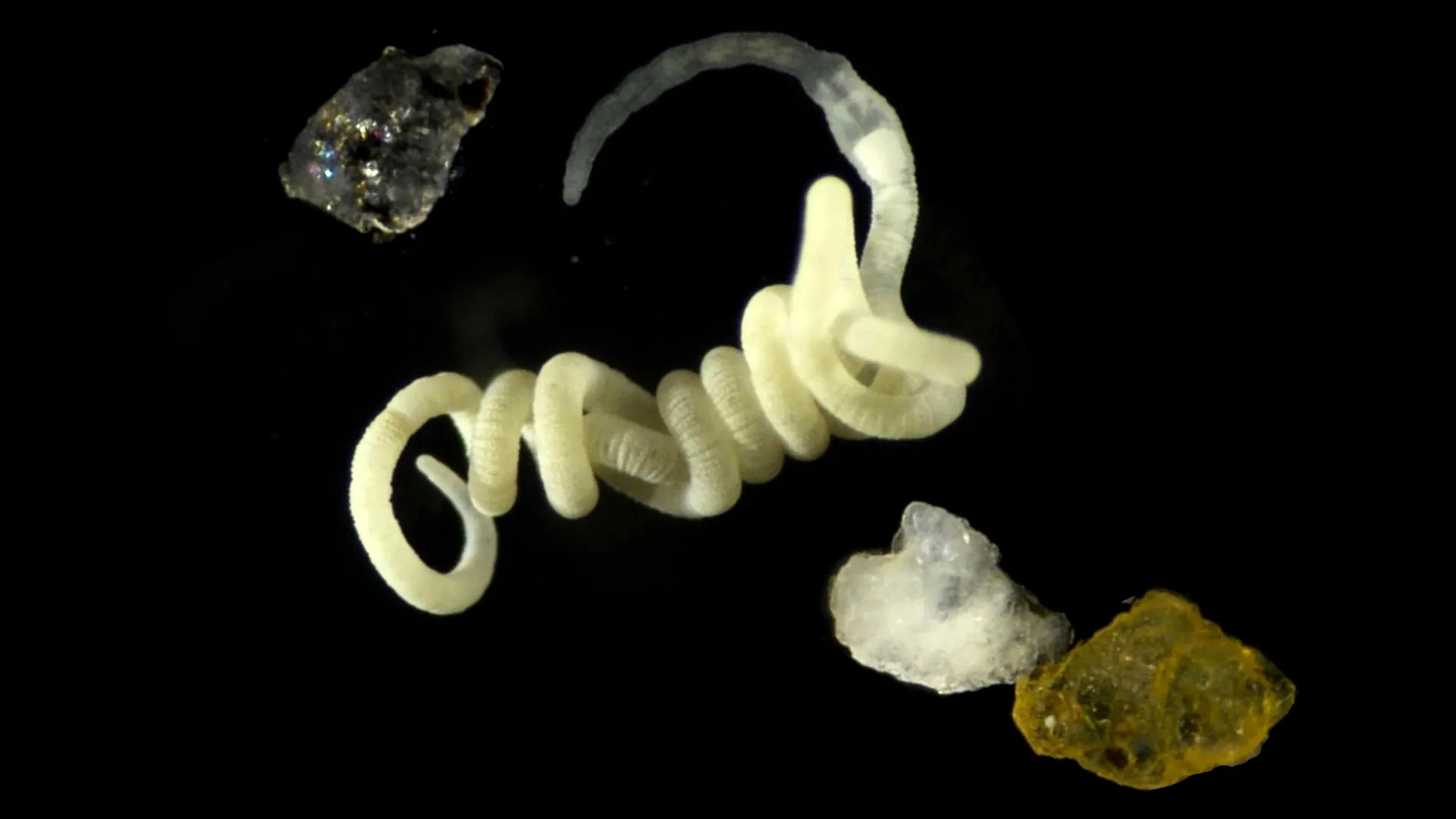
Researchers have found that a variety of animal species have the ability to break down microbial bioplastics called polyhydroxyalkanoates (PHAs). This discovery, made by a team of scientists, suggests that animals have been consuming these biodegradable plastics for hundreds of millions of years. The findings were published recently, shedding light on an age-old relationship between animals and naturally occurring bioplastics.
This research matters now more than ever as plastic pollution has become a pressing environmental issue. Traditional plastics, made from fossil fuels, persist in ecosystems for hundreds of years, leading to detrimental effects on wildlife and habitats. In contrast, PHAs are produced by certain microorganisms and are fully biodegradable. Understanding how animals can process these natural bioplastics could open pathways to developing sustainable alternatives to conventional plastics, potentially aiding efforts to combat pollution.
The study identified dozens of species, including insects and marine life, capable of breaking down PHAs. This ability is attributed to specific enzymes that allow these animals to digest the bioplastics, which are part of their natural food sources. The research team emphasizes that this finding challenges the previous belief that only microorganisms could degrade PHAs, highlighting a more complex ecosystem interaction.
Looking ahead, this discovery could lead to advancements in bioplastics and waste management. If scientists can better understand the enzymes that allow animals to digest PHAs, they may develop new strategies for creating biodegradable materials that mimic these natural processes. This could foster a more sustainable approach to manufacturing and waste, providing a critical tool in addressing the global plastic crisis and protecting wildlife from the impacts of plastic pollution.
Read Full Story at ScienceDaily →