Researchers discover ancient microbe revealing early complex life evolution
Researchers have identified a new microbe in ancient stromatolite communities, revealing a potential nutrient exchange between Asgard archaea and bacteria. This discovery may provide insights into ho…
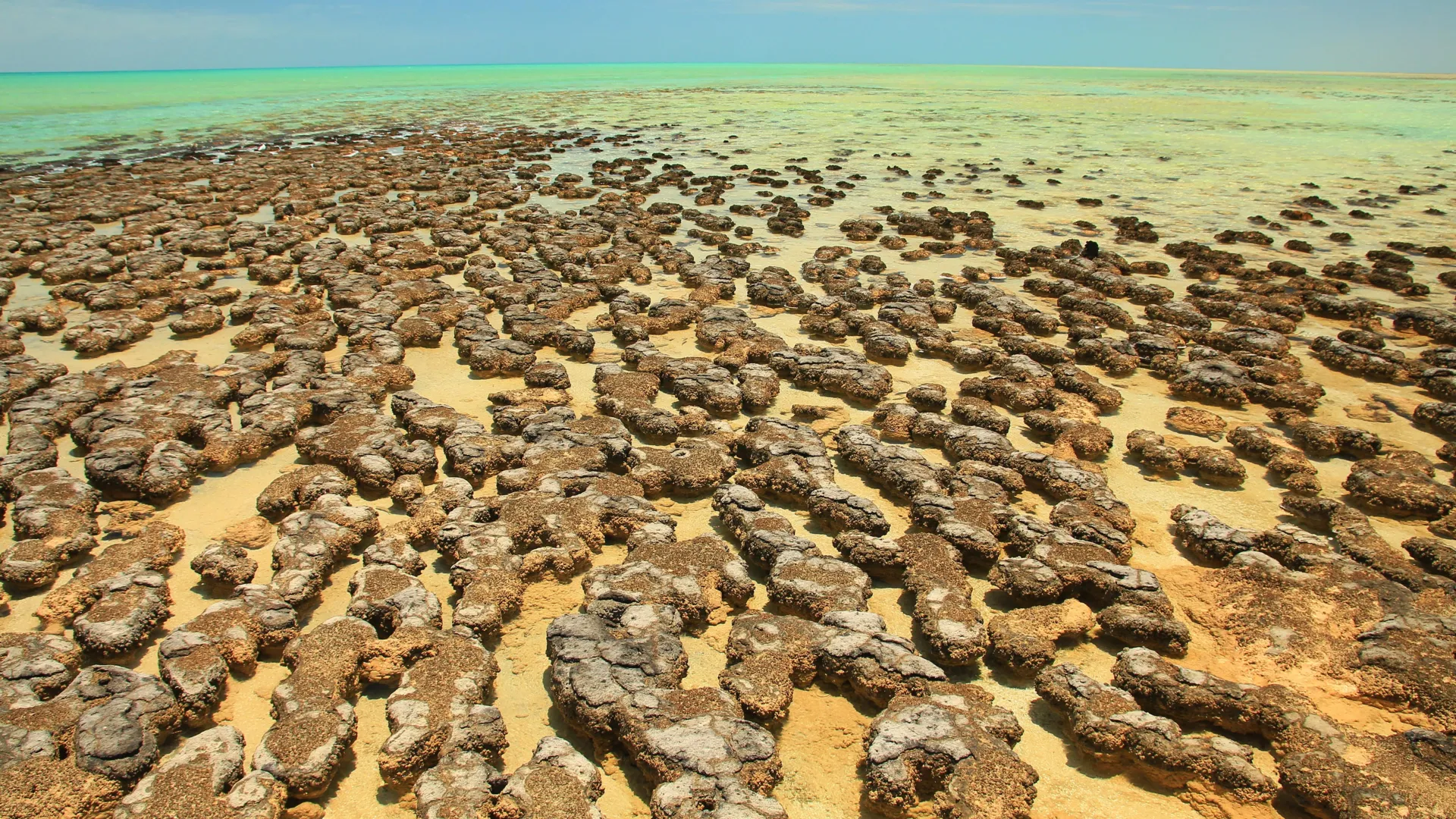
Researchers have discovered a new microbe within ancient stromatolite communities that could shed light on the origins of complex life on Earth. The discovery comes as scientists captured the first direct images of an Asgard archaeon physically linked to a bacterium, revealing a potential nutrient exchange between the two microbes. This finding suggests that similar interactions billions of years ago may have played a crucial role in the evolution of complex cells.
The timing of this discovery is significant as scientists continue to explore the early stages of life on our planet. Understanding how simple organisms developed into more complex forms is a fundamental question in biology. The Asgard archaea, a group known for its potential link to eukaryotes, are attracting attention for their unique characteristics and evolutionary significance. As researchers delve deeper into these ancient communities, they hope to uncover more about the processes that led to the emergence of complex life.
Initial reactions from the scientific community highlight the importance of this research. Experts believe that these images provide a rare glimpse into the interactions that may have been critical during the early stages of life. The idea that simple microbes could form symbiotic relationships lays the groundwork for understanding how multicellular organisms evolved. This research not only expands our knowledge of microbial life but also offers insights into the evolutionary history of all living beings.
The implications of this discovery are vast. If these ancient partnerships were indeed instrumental in the development of complex cells, it could reshape our understanding of life's evolution. As researchers continue their work, they may uncover more evidence that supports the idea of collaboration between different life forms as a driving force behind biological complexity. This could lead to a deeper understanding of life's origins and the intricate web of relationships that sustain it today.
Read Full Story at ScienceDaily →