Egyptian ape fossil challenges East Africa human origin theory
A 14-million-year-old ape fossil found in Egypt resembles modern apes more than East African counterparts. This discovery challenges the theory that human ancestors originated solely in East Africa.
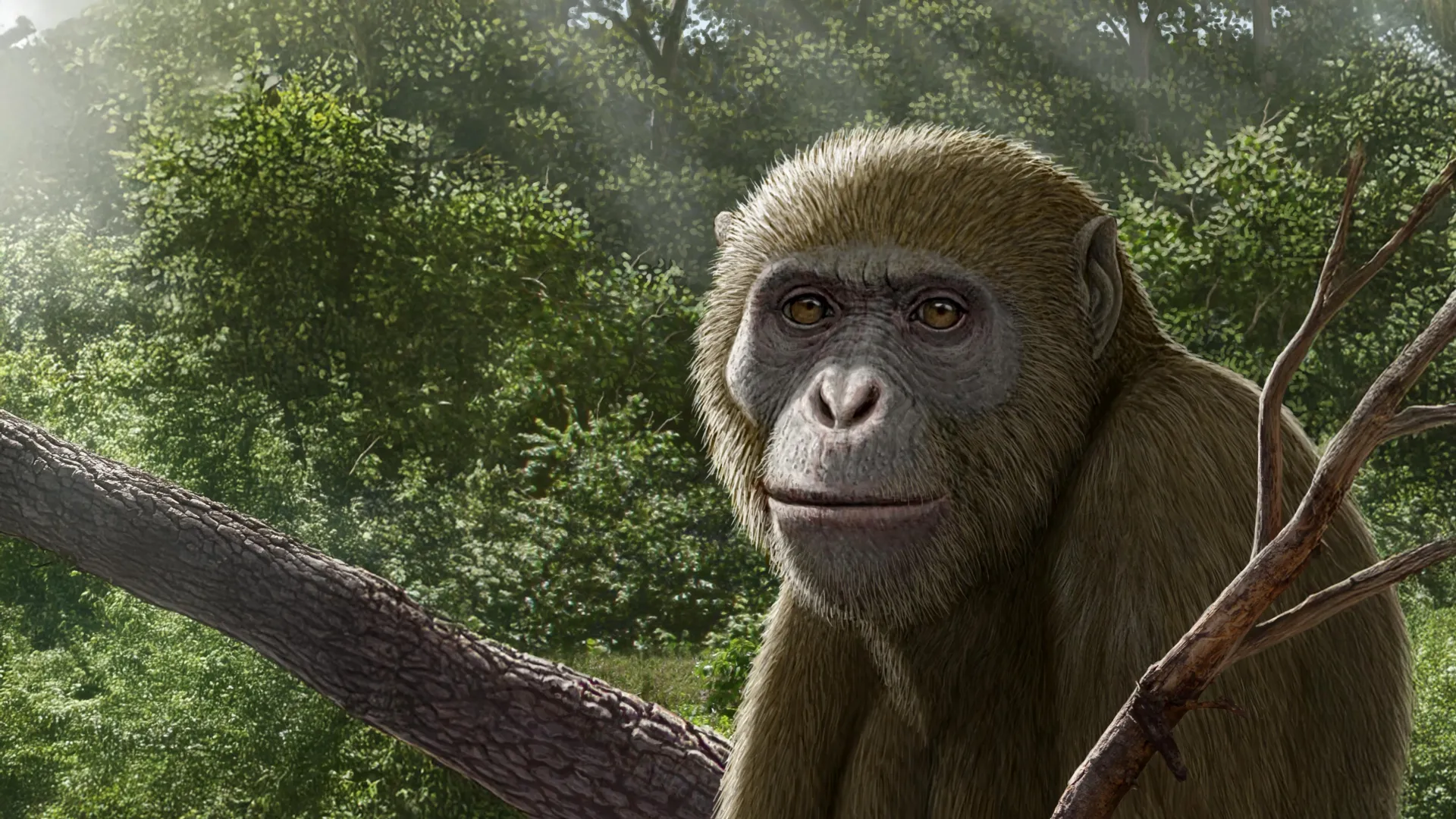
A fossil ape discovered in northern Egypt has been identified as a new species that lived about 14 million years ago. The specimen was found in a lime
Read Full Story at ScienceDaily →Why This Matters
The discovery of a 14-million-year-old ape fossil in Egypt not only adds complexity to the narrative of human evolution but also highlights the potential for significant archaeological findings outside the traditionally accepted regions. This challenges long-standing theories and suggests that our understanding of primate ancestry may need a radical reevaluation.
Background Context
For decades, East Africa has been regarded as the cradle of human evolution, largely due to a wealth of fossil evidence from that region. However, the emergence of new fossils from other locations, such as this recent find in Egypt, prompts a reassessment of the geographic narrative surrounding our origins and the evolutionary pathways of ancient apes.
What Happens Next
This discovery may lead to increased research funding and archaeological expeditions in North Africa, as scientists seek to uncover more evidence that could reshape our understanding of human ancestry. Additionally, it raises important questions about the migration patterns of ancient species and their adaptations to different environments.
Bigger Picture
The finding aligns with a growing trend in paleontology to explore and validate hypotheses that extend beyond traditional narratives. As more fossil evidence is uncovered globally, it emphasizes the necessity for a more nuanced approach to understanding evolution, one that incorporates diverse geographical and environmental factors.