UK solar power generation reaches record 9 TWh in summer 2026
In summer 2026, UK solar power generation hit a record high of over 9 terawatt-hours (TWh), driven by sunny weather and increased solar panel installations. This achievement highlights the country’s …
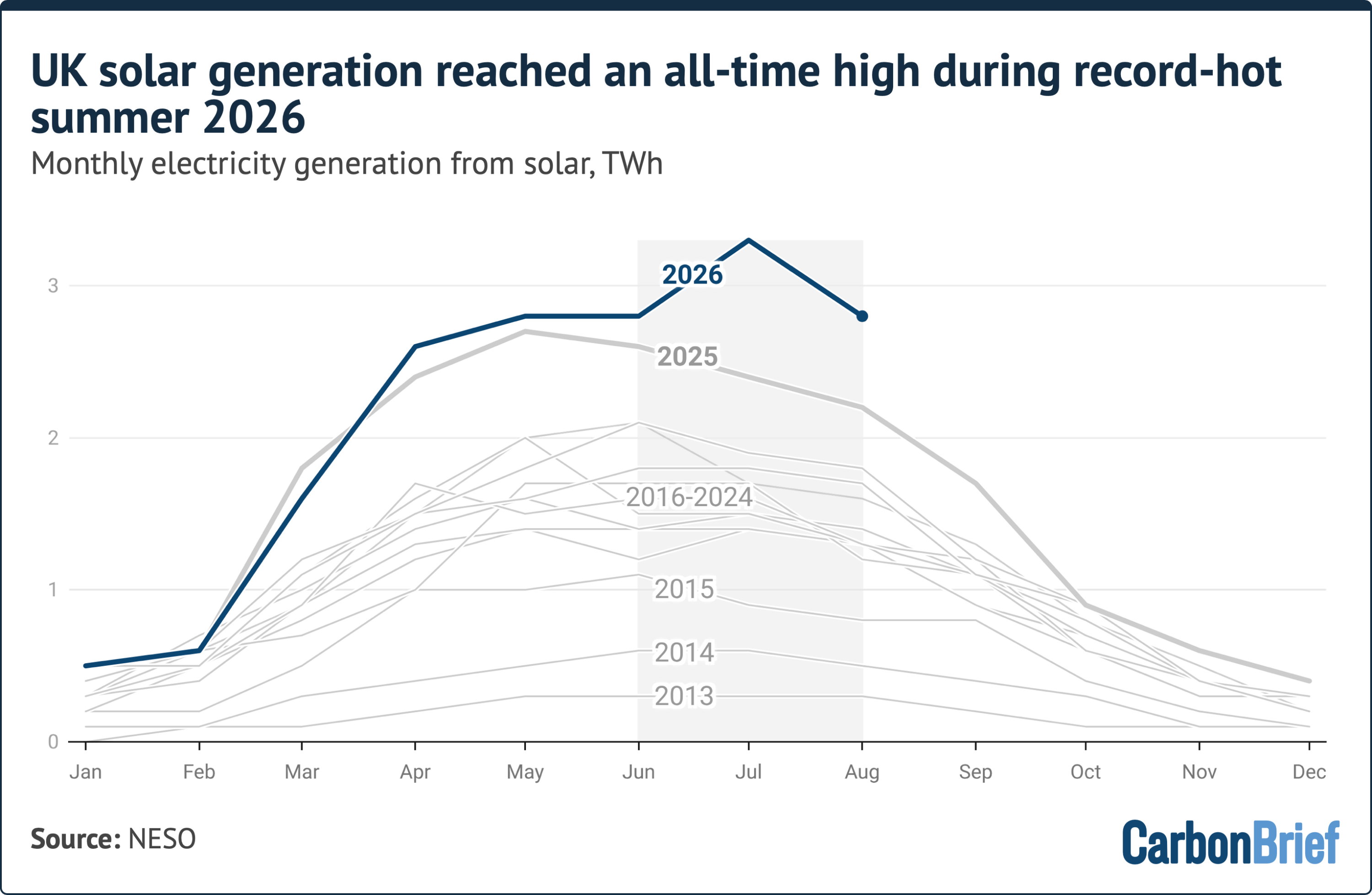
Solar power generation in the UK reached a record high during the summer of 2026, generating more electricity than ever before. This surge in solar energy production was largely driven by an extended period of sunny weather and soaring temperatures across the country. According to recent data, solar panels produced over 9 terawatt-hours (TWh) of electricity, significantly surpassing previous records and contributing to a notable decrease in carbon emissions.
This milestone is a significant indicator of the UK’s ongoing transition towards renewable energy sources. In recent years, the UK government has pushed for a greener energy strategy, aiming to phase out fossil fuels and meet climate targets set under international agreements. The increased capacity of solar power infrastructure, coupled with advancements in technology that have made solar energy more efficient and cost-effective, has made this record possible. In addition, public and private investments have surged, with many households and businesses installing solar panels to capitalize on government incentives and the decreasing cost of solar technology.
The rise in solar power generation is crucial for the UK's energy future. It not only helps reduce reliance on gas and other fossil fuels but also supports the government’s commitment to achieve net-zero emissions by 2050. Industry experts suggest that this record could lead to further investments in renewable energy and related technologies. As solar power becomes a more significant part of the energy mix, it may also prompt discussions around energy storage solutions and grid management to handle the variability of solar output.
Looking ahead, the UK is likely to continue expanding its renewable energy capacity. The government has announced plans to double solar energy production by 2030, which may lead to further installations and innovations in the sector. With climate change at the forefront of global concerns, reaching new solar power milestones like this one is vital for the UK to maintain momentum in its renewable energy goals and set an example for other nations.
Read Full Story at Carbon Brief →