An endangered pygmy raccoon turned trash into toys—and taught her family how, too
This tiny raccoon turned trash into toys—and taught her family how, too The endangered animals displayed a first in raccoons and their kin By Isabel Gil edited by Sarah Lewin Frasier It started wh…
This tiny raccoon turned trash into toys—and taught her family how, too
The endangered animals displayed a first in raccoons and their kin
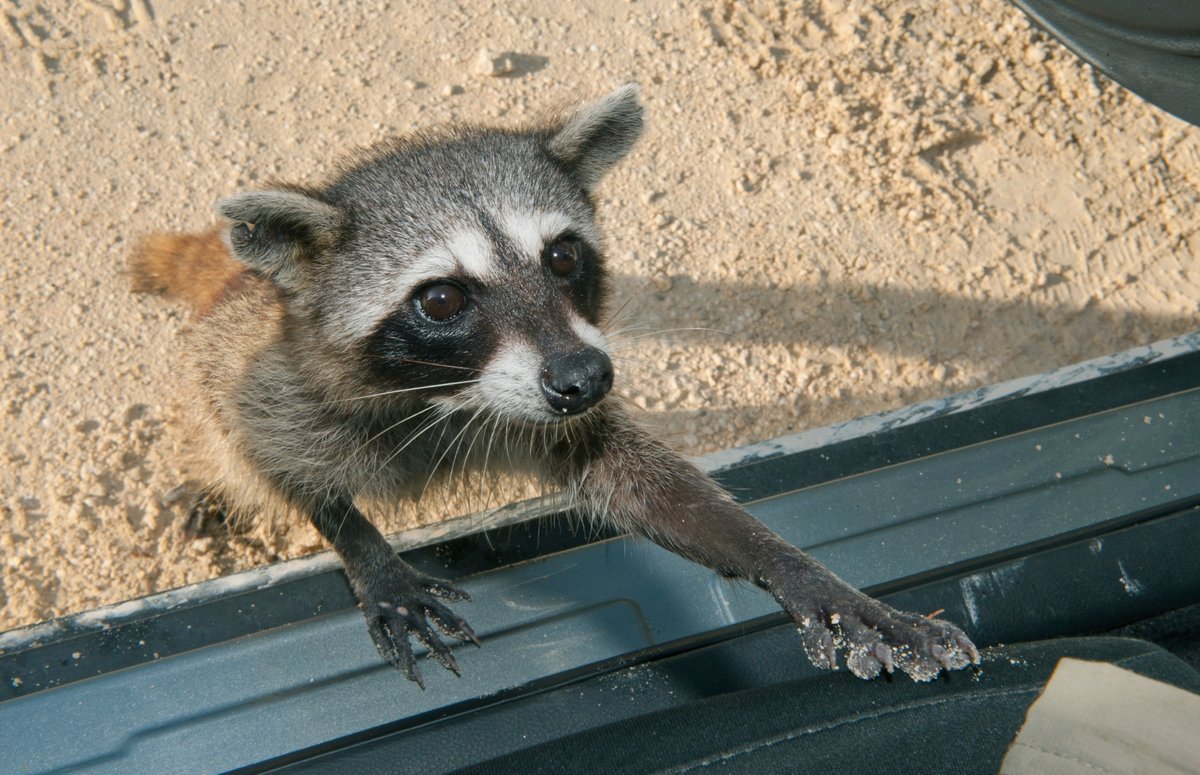
It started when the pygmy raccoon dove into the wrong trash bin—not the bin known by her family for its tasty food scraps but the one with paper and plastic waste.
Last January Nessie O’Neil, a graduate student in biology at Miami University in Ohio, watched as a young pygmy raccoon plucked a receipt from the paper trash. The raccoon used her paws to repeatedly dunk the receipt into a bowl of water (a common exploratory behavior). After working the receipt into a ball and rolling it around in the sand, she began batting it across the ground, seeming to play with it.
At the time, O’Neil was observing families of these critically endangered raccoons, who live alongside tourists at a popular beach club and are only found on Mexico’s Cozumel Island. She was hoping to learn more about how human activity affects these animals’ health.
If you're enjoying this article, consider supporting our award-winning journalism by subscribing . By purchasing a subscription you are helping to ensure the future of impactful stories about the discoveries and ideas shaping our world today.
“In my mind, it wasn’t some big major discovery,” says O’Neil, who specializes in raccoon biology. “It was, ‘Look how cute! She’s making a ball!’”
But when she shared the “cute” video with her research advisor, O’Neil learned it likely was major. Her research, recently published in the journal Wild , may be the first documented evidence of any animal within the Procyonidaefamily—a group that includes raccoons, coatis and ringtails— displaying a form of “material culture” : behavior involving material surroundings that is passed along to others.
Read Full Story at Scientific American →