Africa and the ICC: Why most countries are staying
The establishment of the International Criminal Court (ICC) in 2002 was seen as a breakthrough in the global fight against war crimes, genocide, and crimes against humanity. Yet criticism from parts…
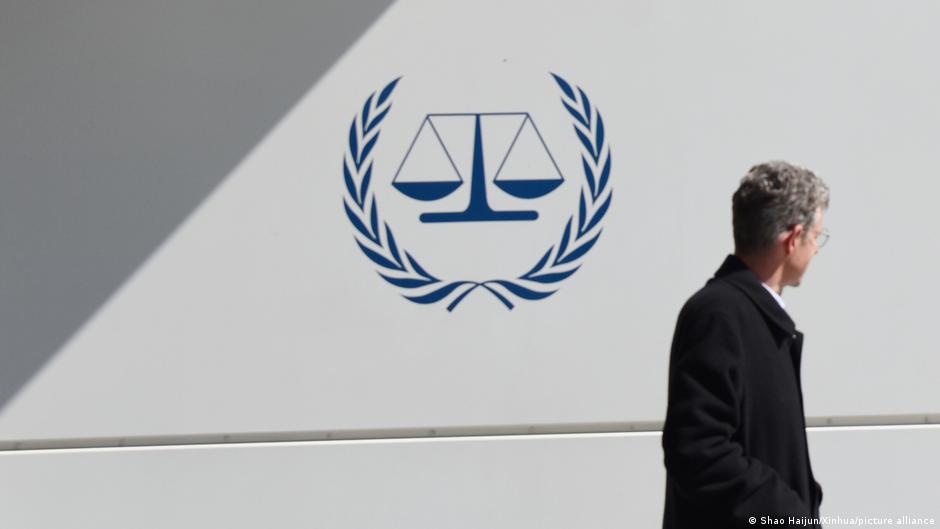
The establishment of the International Criminal Court (ICC) in 2002 was seen as a breakthrough in the global fight against war crimes, genocide, and crimes against humanity.
Yet criticism from parts of Africa is almost as old as the ICC itself: Time and again, the court has been accused of targeting Africa in a one-sided manner. Recently, this criticism has grown louder again — and culminated in a veritable wave of withdrawals.
At the end of July, Chad also announced its withdrawal from the court in The Hague: The government stated that the ICC's effectiveness was "limited and unbalanced."
In September 2025, Mali , Burkina Faso , and Niger initiated their withdrawal from the ICC, accusing it of being a neocolonialist tool of the West. The withdrawals officially take effect one year after they are announced.
At the same time, the ICC is at the center of a scandal: Its members have voted to remove Chief Prosecutor Karim Khan amid allegations of sexual misconduct. Khan has denied wrongdoing.
To view this video please enable JavaScript, and consider upgrading to a web browser that supports HTML5 video
The wave of withdrawals from the ICC is cause for concern, says Attila Kisla, head of the International Justice Group at the Southern Africa Litigation Centre in Johannesburg. Especially since some of these countries cited an alleged bias against Africa among the reasons.
"It is important to remember, however, that many of the proceedings — particularly in the early stages — were based on voluntary referrals by African countries seeking the court's assistance,” Kisla told DW.
Read Full Story at DW World →