U.S. cuts funding, jeopardizing education for Afghan women at AUAF
The U.S. has announced it will end financial support for the American University of Afghanistan, jeopardizing one of the last avenues for Afghan women to pursue higher education amidst Taliban restri…
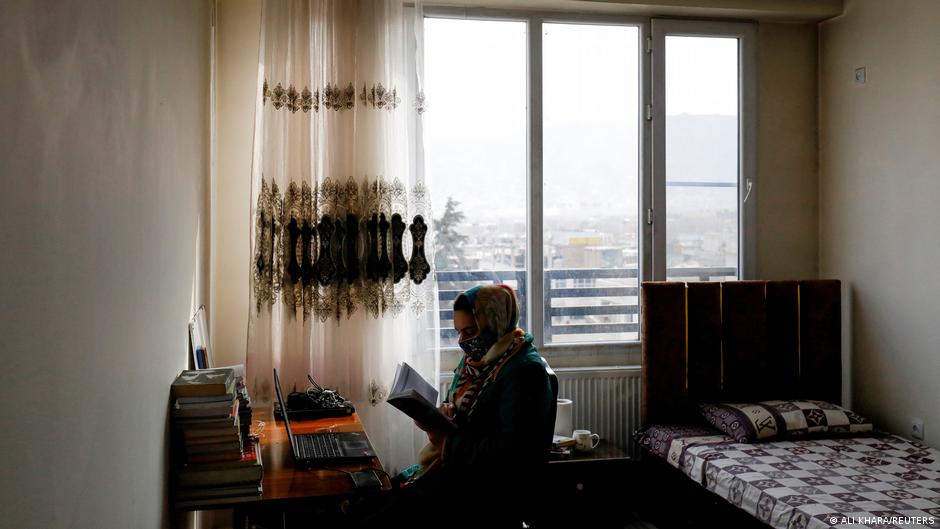
The United States announced this week that it will end its financial support for the American University of Afghanistan, one of the few places where Afghan women can still pursue a degree. The decision was communicated to students by email in the early hours of the morning, and the news left many, including a mid‑twenties student who asked to be called “Laila,” in tears. AUAF’s online program, which has kept women in Kabul studying despite the Taliban’s ban on female education, now faces an uncertain future.
The funding cut comes after the Taliban seized power in August 2021 and promptly outlawed women’s schooling. The university’s campus was seized, but its virtual classrooms remained active thanks to U.S. aid. For the past two years, the institution has operated in secrecy, with students using aliases and keeping cameras off to avoid detection. The withdrawal of American money removes the last external lifeline that has allowed the program to survive under the regime’s strict rules.
AUAF currently enrolls about 1,000 students, three‑quarters of whom are women. Laila, who studies political science and international studies, earned a scholarship to restart her education after the Taliban’s December 2022 ban left her previous degree unfinished. She and her classmates attend remote lectures from their homes, hearing only voices and never showing faces. Many have received threatening calls and fear that a Taliban raid on their phones could expose their participation. If the university shuts down, these women will lose one of the few remaining routes to higher education in a country where most academic institutions are closed to them.
The loss of AUAF’s funding could push the university to close its doors entirely, erasing a critical space for Afghan women’s learning and professional development. International donors are watching the situation closely, but no new source of money has been pledged. Without a viable alternative, thousands of women may be forced to abandon their studies and their hopes for a better future. The decision underscores how fragile educational access has become under the Taliban and raises urgent questions about how the global community can keep learning opportunities alive for Afghan women.
Read Full Story at DW World →