NASA introduces Advanced Space Experiment Processors to boost ISS research efficiency
The International Space Station will soon utilize Advanced Space Experiment Processors (ADSEPs), fully automated mini-laboratories that can significantly increase research efficiency and double the v…
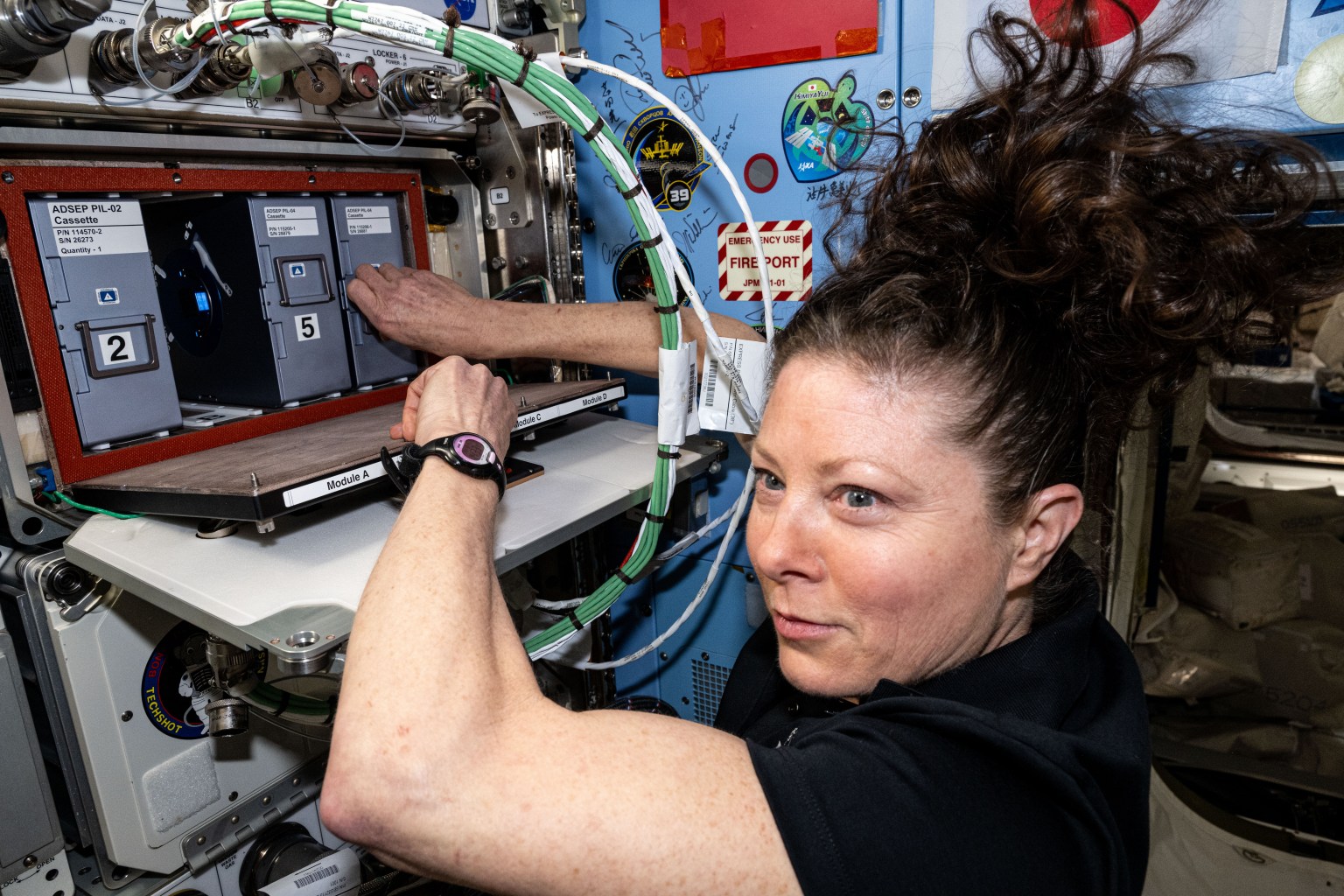
The International Space Station (ISS) is set to enhance its scientific capabilities with the introduction of fully automated mini-laboratories, known as Advanced Space Experiment Processors (ADSEPs), developed by Redwire. These devices will allow for more efficient experimentation in space, reducing the time astronauts need to spend on scientific tasks. The implementation of ADSEPs is expected to significantly increase the volume of research conducted aboard the ISS.
This development comes at a crucial time as the demand for scientific research in microgravity continues to grow. The ISS currently supports hundreds of experiments simultaneously, covering fields such as biology, physics, and materials science. However, limited crew time and the complexities of conducting experiments in space have posed significant challenges for researchers. By automating many of these processes, scientists can maximize the use of the ISS’s resources while minimizing the burden on astronauts, who often juggle multiple responsibilities, including routine maintenance and health checks.
The introduction of ADSEPs could lead to groundbreaking discoveries. Current estimates suggest that these automated systems could double the amount of scientific research conducted on the ISS. This efficiency is crucial, especially as future missions to the Moon and Mars are being planned. The ability to conduct experiments with minimal human intervention could pave the way for more complex studies, potentially accelerating advancements in fields like medicine and materials science that benefit from microgravity environments.
Looking ahead, the deployment of ADSEPs marks a significant step in the evolution of space research. As NASA and its partners prepare for long-duration missions beyond low Earth orbit, innovations like these will be essential. The success of these automated laboratories could set a precedent for future spacecraft and research facilities, ensuring that human exploration of space is not only feasible but also scientifically productive.
Read Full Story at NASA →