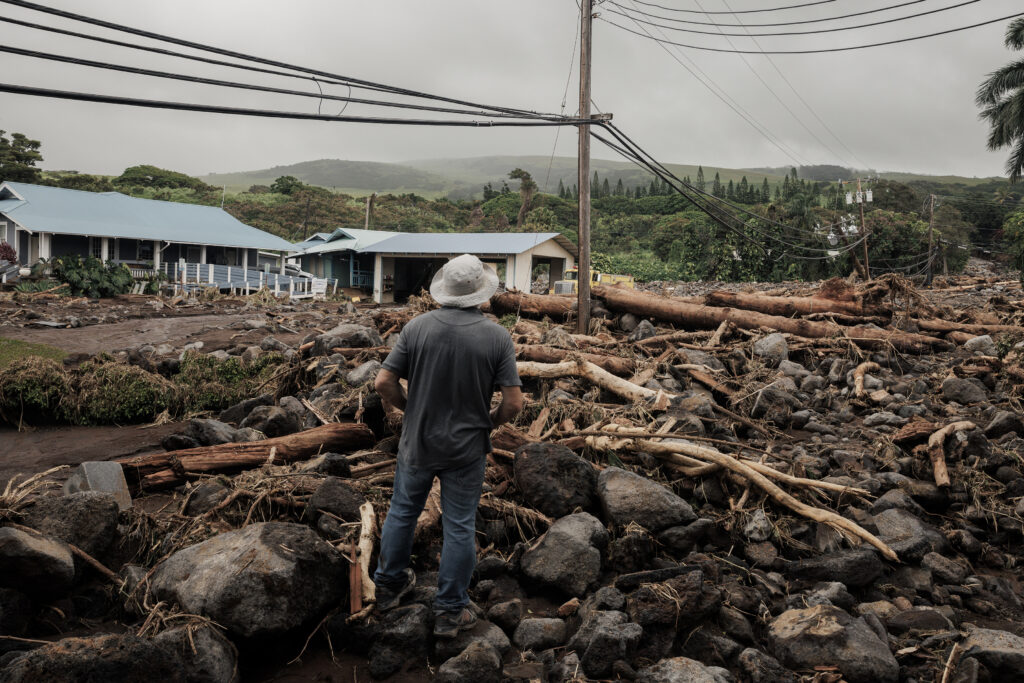
Rescuers search for 4,000 missing after Nepal floods
One week after glacier-induced floods killed 1,000+ in Nepal and buried hydropower plants under 50 feet of debris, over 4,000 remain missing as rescuers struggle to reach survivors in collapsed tunne…
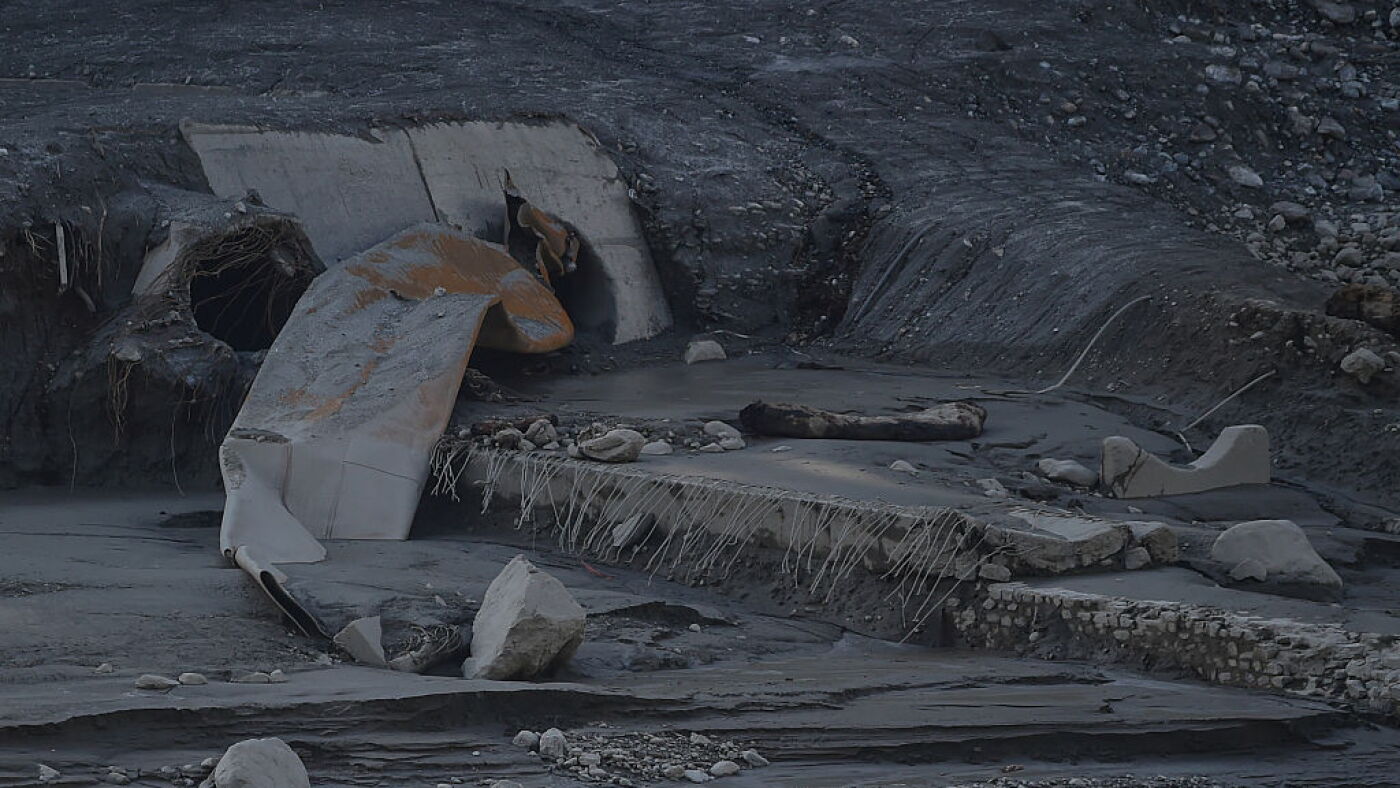
One week after devastating flash floods tore through riverside towns in Nepal and Tibet, killing more than 1,000 people, rescuers are still clawing through mud and debris to find survivors trapped inside at least a dozen hydropower plants buried by the disaster.
The floods struck after a massive chunk of glacier, roughly 3,000 feet wide, broke free from a mountain and crashed 4,000 feet into a river valley, sending a wall of water, ice and rock downstream. The surge flattened riverside communities and wiped out hydropower stations along the Trishuli River. Now, rescue teams face the near-impossible task of locating survivors in tunnels and turbine houses that may be buried under up to 50 feet of mud and debris. Experts describe the scene as a “moonscape,” where entire power stations have vanished beneath the surface.
More than 4,000 people remain missing across Nepal, and around 21,000 Nepali security forces and rescuers are involved in the operation, according to a government briefing. The Nepal Army is leading efforts to reach trapped workers, sharing video of soldiers pulling themselves through narrow, flooded tunnels using ropes. “It’s like a bomb’s gone off,” said tunneling expert Arnold Dix. “The first problem is just finding the power stations. They’re not on the surface anymore.” Dix says rescuers are using advanced mapping to pinpoint tunnel entrances, but some are now submerged under the river, blocked by boulders the size of cars. In one plant, Trishuli 3A, rescuers had to call in the army to blow up rocks blocking the tunnel entrance.
The clock is ticking. Rescuers believe survivors may be huddled in the “Goldilocks zone”—the turbine houses where conditions might still be livable. But with the ground shifted, rivers rerouted and tunnels collapsed, every minute counts. Dix says explosives were a last resort, but the urgency to reach trapped workers forced their use. For the families waiting, and the rescuers digging, time is the enemy—and the river keeps rising.
Read Full Story at NPR News →