Delhi Police designates Jantar Mantar as non-protest site, limiting dissent
Delhi Police has designated Jantar Mantar no longer as a protest site, directing demonstrations to more distant and costly locations. This move limits access for ordinary citizens to protest near the…

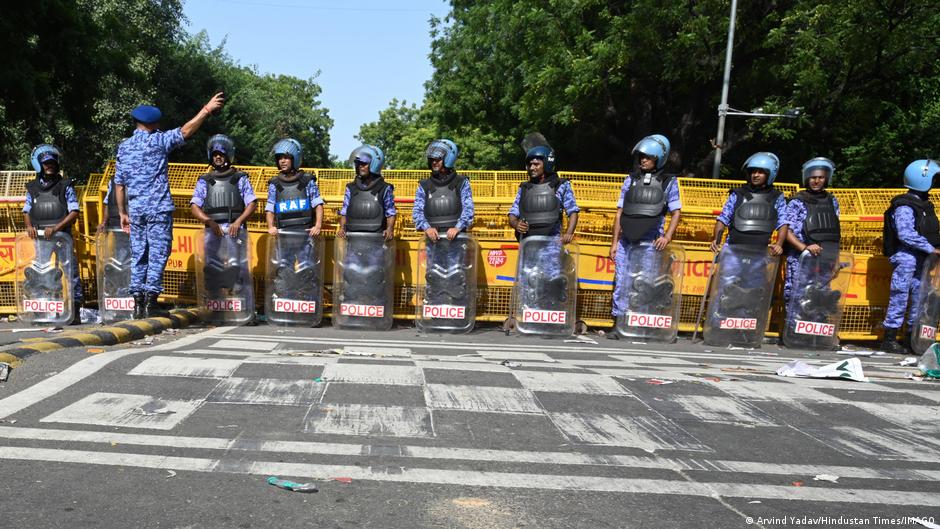
Delhi Police announced on Tuesday that Jantar Mantar, the tree‑lined square beside Parliament in New Delhi, will no longer be a designated protest site. The decision, made this week, follows a series of police crackdowns on demonstrations staged there by the Gen Z‑led Cockroach Janta Party (CJP). The group’s 2019 protest that forced Education Minister Dharmendra Pradhan to resign had drawn tens of thousands of people, after which the police began blocking access to the square.
The move comes months after the Supreme Court urged Delhi authorities to identify alternative venues with adequate infrastructure for public assemblies. In the wake of the CJP’s latest attempt to march there demanding the resignation of the Election Commissioner, police used batons and tear gas to disperse the crowd. The new policy now directs protesters to three other sites: two parks farther from Parliament and the Ramlila Ground, a large open field that is usually booked months in advance. Unlike Jantar Mantar, which has been free for public use, the new sites charge a fee of tens of thousands of rupees per day, a cost many ordinary citizens cannot afford.
Critics argue that the ban pushes dissent beyond the reach of ordinary Indians and dilutes the symbolic power of protesting close to the seat of government. Historian Harleen Kaur notes that Jantar Mantar has been a focal point for mass movements since 1993, when the Congress government moved demonstrations from the Boat Club lawns to the square. Over the decades, the site has hosted protests by farmers, students, grieving parents, and ex‑soldiers, becoming a place where voices that might otherwise be ignored found a platform. The new restrictions, she says, risk turning the square back into a tourist attraction rather than a democratic forum.
The decision marks a significant shift in Delhi’s protest culture. While the police claim the change is a compliance with a Supreme Court directive, it also reflects a broader trend of tightening control over public expression. If the new sites fail to accommodate the public, the government may face renewed pressure from civil‑society groups and political parties. The fate of Jantar Mantar will likely influence how future protests unfold in the capital and whether dissent can still be heard close to the corridors of power.
Read Full Story at BBC World News →