Anthropic releases AI tool to model US labor impacts
Anthropic released an interactive tool letting users model how AI could either slightly boost productivity or displace nearly 14% of U.S. workers. This helps policymakers visualize economic risks and…
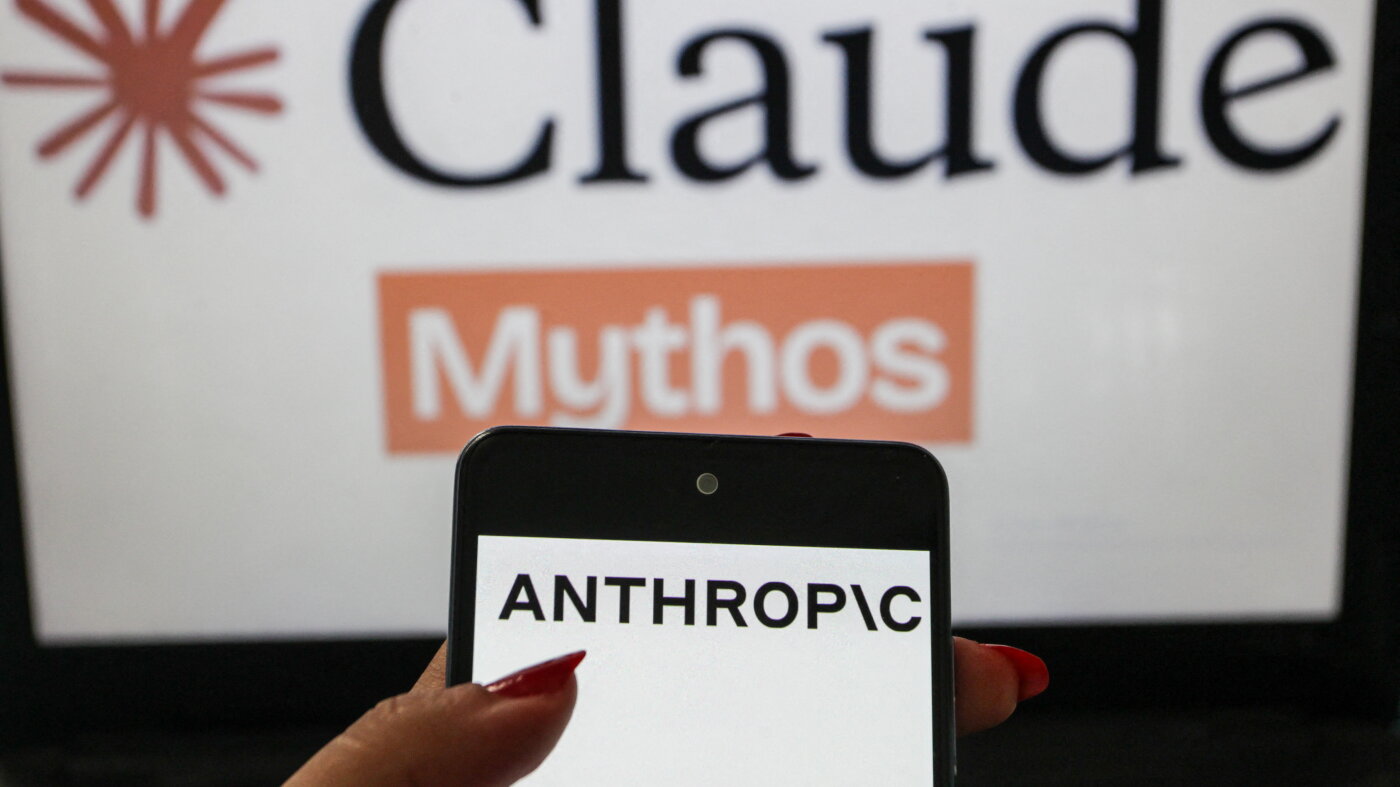
Anthropic, the artificial intelligence company behind the popular Claude assistant, has released a new interactive economic modeling tool designed to help users visualize how AI might reshape the U.S. economy in the coming years. The platform allows individuals to test various assumptions about the technology’s potential impact, ranging from a modest boost in productivity to a dramatic transformation that could displace millions of workers. This release comes at a critical time when economists, technologists, and policymakers are debating whether artificial intelligence will act as a gentle tailwind for growth or a disruptive force that fundamentally alters the labor market. By making these complex projections accessible, Anthropic aims to move the conversation beyond abstract predictions and into tangible scenarios that the public can explore themselves.
The tool presents two starkly different futures based on user inputs regarding technology capability, adoption speed, and workforce displacement. In the most conservative scenario, AI acts as a marginal improvement, allowing the economy to continue on a normal growth trajectory with minimal disruption to existing jobs. At the opposite extreme, the model projects a surge in Gross Domestic Product accompanied by severe labor market instability, where nearly 14 percent of workers lose their jobs to automation and less than half manage to find new employment. These outcomes hinge on whether AI supports human workers or replaces them, and how quickly displaced individuals can transition into new roles. Anthropic researchers emphasize that while AI experts often project rapid technological spread, economists tend to be more cautious about how quickly these tools will integrate into the broader economy. The company does not endorse one outcome over the other, instead highlighting the wide range of possibilities that depend on societal and regulatory choices.
Jack Clark, Anthropic’s co-founder, suggests the reality will likely fall somewhere between these extremes. He argues that while the technology itself will continue to improve at a rapid and sustained pace, its diffusion across the economy will be more challenging and slower than many anticipate. This view is supported by a recent Anthropic survey of nearly 11,000 people, which revealed mixed public expectations. Respondents generally predicted significant boosts in productivity and economic growth but also foresaw substantial disruption for workers in AI-sensitive fields. The key determinant in this equation is adoption. Anton Korinek, Anthropic’s head of transformative AI economic studies, notes that if the technology performs amazing feats but fails to gain widespread use, its economic impact will remain negligible. Rapid adoption could lead to either massive growth or significant chaos, depending on how society manages the transition.
The implications of rapid adoption are profound, offering both risks and opportunities for economic stability. In the most extreme growth scenario modeled by Anthropic, GDP could expand at more than seven times its current pace. Such explosive growth would generate substantial additional tax revenue, potentially providing governments with the resources needed to support workers displaced by automation. This highlights a critical policy question: how to harness the economic benefits of AI while mitigating its social costs. The tool serves as a starting point for these discussions, encouraging users to consider not just the technological capabilities of AI, but the human and economic systems that will determine its ultimate impact. As the technology continues to evolve, understanding these potential outcomes becomes essential for shaping a future that balances innovation with economic security. The debate is no longer just about what AI can do, but how we choose to integrate it into the fabric of our economy.
Read Full Story at NPR News →