A melting glacier contributed to the deadly Nepal floods. We can expect more like this
More than a thousand people are missing and at least 400 people are dead after flash flooding tore through Nepal and Tibet early Wednesday. According to initial assessments, a massive chunk of ice sn…
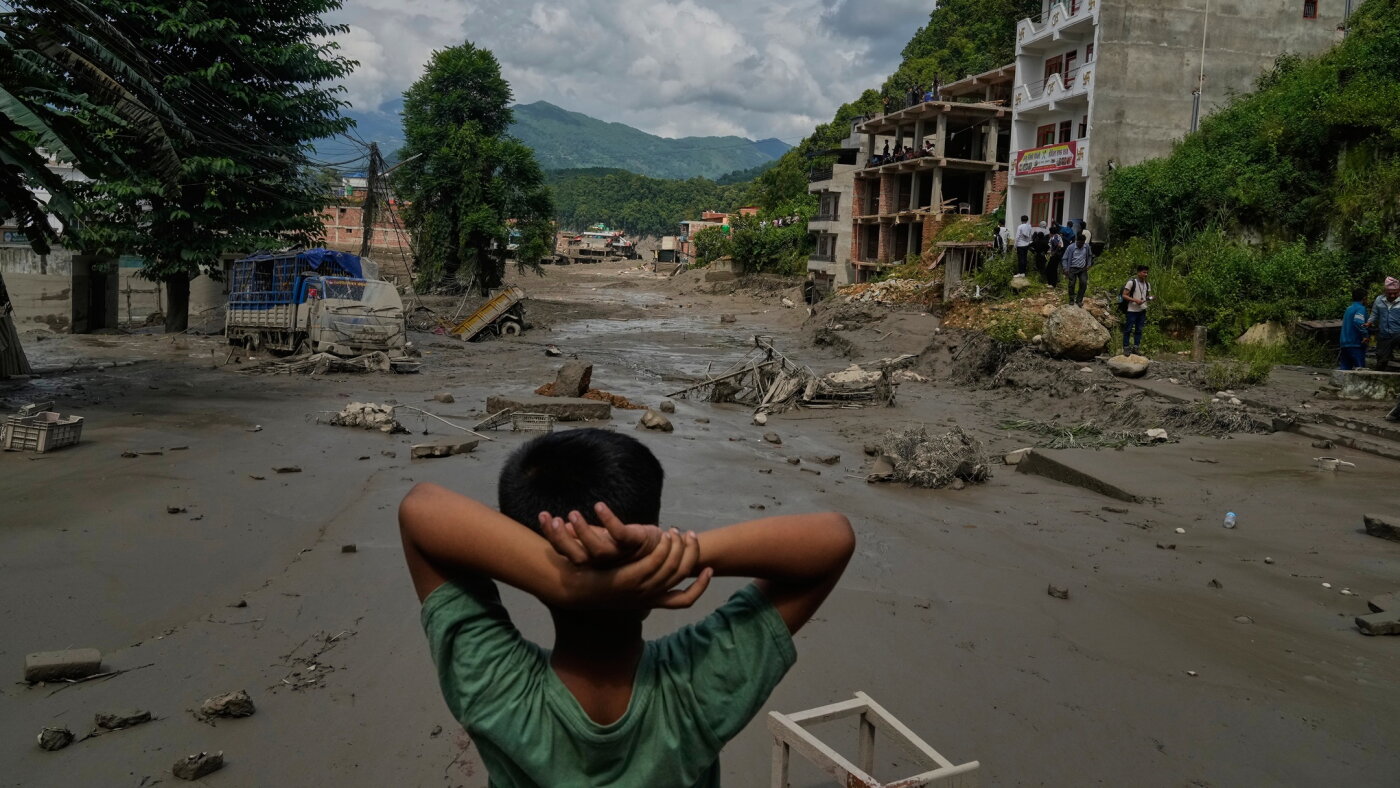
More than a thousand people are missing and at least 400 people are dead after flash flooding tore through Nepal and Tibet early Wednesday. According to initial assessments, a massive chunk of ice snapped off a glacier and tumbled thousands of feet into the valley below. Rock, ice and mud plunged down for miles, washing away communities along the river.
Scientists say glaciers in this region, and around the world, are increasingly unstable because of human-caused global warming. Across the mountains of Nepal and Tibet, climate change is causing glaciers to melt at an alarming rate.
Planet-heating emissions from burning fossil fuels such as oil, gas and coal are the primary driver of climate change. Scientists say that in addition to reducing climate pollution, renewable energy and battery technologies are increasingly price competitive with traditional energy sources .
Damaged houses stand precariously near the swollen, debris-choked banks of the Trishuli River after flash floods in Nepal's Nuwakot district on Wednesday. Niranjan Shrestha/AP hide caption
"There's no question that this event was made more likely because of climate change and that we're seeing more likely other similar glacier hazards occurring," says Twila Moon, deputy lead scientist at the National Snow and Ice Data Center at the University of Colorado Boulder.
Footage from the Chinese-administered Tibet side of the border with Nepal shared on local media showed a massive gush of water sweeping over a port building as people fled.
As the water barrelled down, residents filmed it sweeping away a bridge and washing away riverside settlements.
The flooding was made more severe because it happened during the heavy rains of the monsoon season, says Mohammad Farooq Azam , an expert at ICIMOD, an environmental advocacy group that focuses on Asia's high mountains. "Everything is fully saturated already," Azam said. "The rivers are swollen."
Read Full Story at NPR News →