Rev. Jamal Bryant addresses challenges for married ministry couples in U.S. churches
Rev. Jamal Bryant emphasized the challenges married couples in ministry face, as about 30% of U.S. churches now have couples in leadership roles. This trend highlights the need for churches to addres…
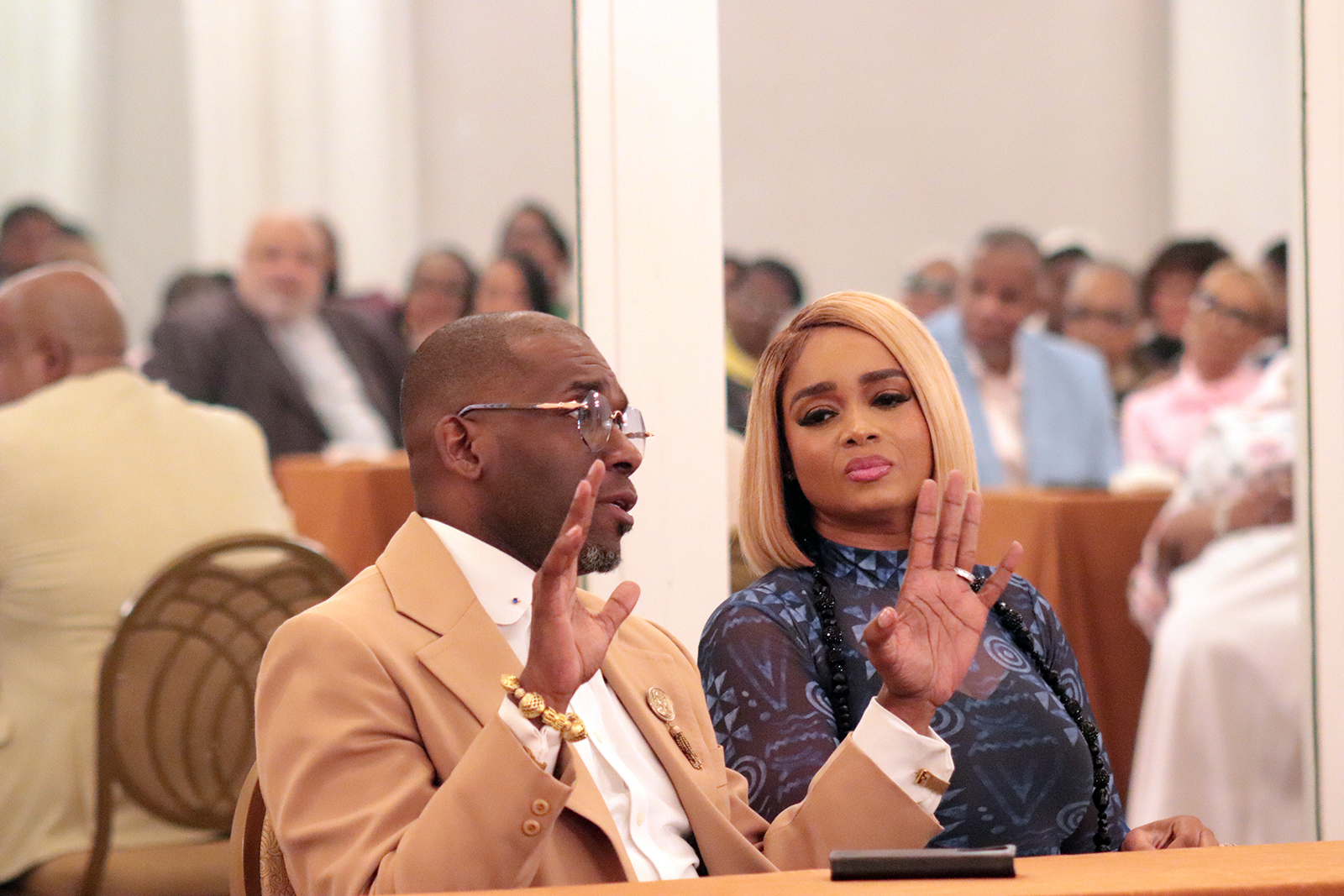
The Rev. Jamal Bryant, senior pastor of a megachurch near Atlanta, recently highlighted the challenges married couples face in ministry, stating, "We too can have rough patches in our marriage." His comments come at a time when the intersection of personal and professional lives in religious settings is under increasing scrutiny, especially as more couples share leadership roles in churches.
This discussion is timely as many congregations are beginning to embrace the idea of shared leadership in ministry. The dynamics of married couples working together can create unique challenges, including balancing work demands with personal relationships. As churches evolve, they are confronting the complexities that arise when both partners are deeply invested in their faith communities. This shift reflects a broader trend in society toward recognizing the importance of partnership and collaboration in leadership roles, regardless of gender.
In a recent survey, about 30% of U.S. churches reported having couples in significant leadership positions. While there are benefits, such as shared vision and mutual support, these partnerships also face unique pressures. Couples may struggle with public expectations, personal disagreements, and the need to maintain professionalism while nurturing their relationship. Bryant’s remarks resonate with many in ministry who grapple with the dual roles of spouse and leader.
Looking ahead, the conversation around couples in ministry is likely to grow. As more churches adopt inclusive practices and support structures, they must also address the emotional and relational aspects of these partnerships. The balance between personal and professional life may define the future of church leadership. Understanding the complexities of these relationships will be crucial for fostering healthy congregations and resilient leaders.
Read Full Story at Religion News Service →