US woman receives innovative liver transplant using donor stem cells
A US woman received donor stem cells with her liver transplant to potentially eliminate lifelong anti-rejection drugs. This technique could improve transplant outcomes by reducing severe medication s…
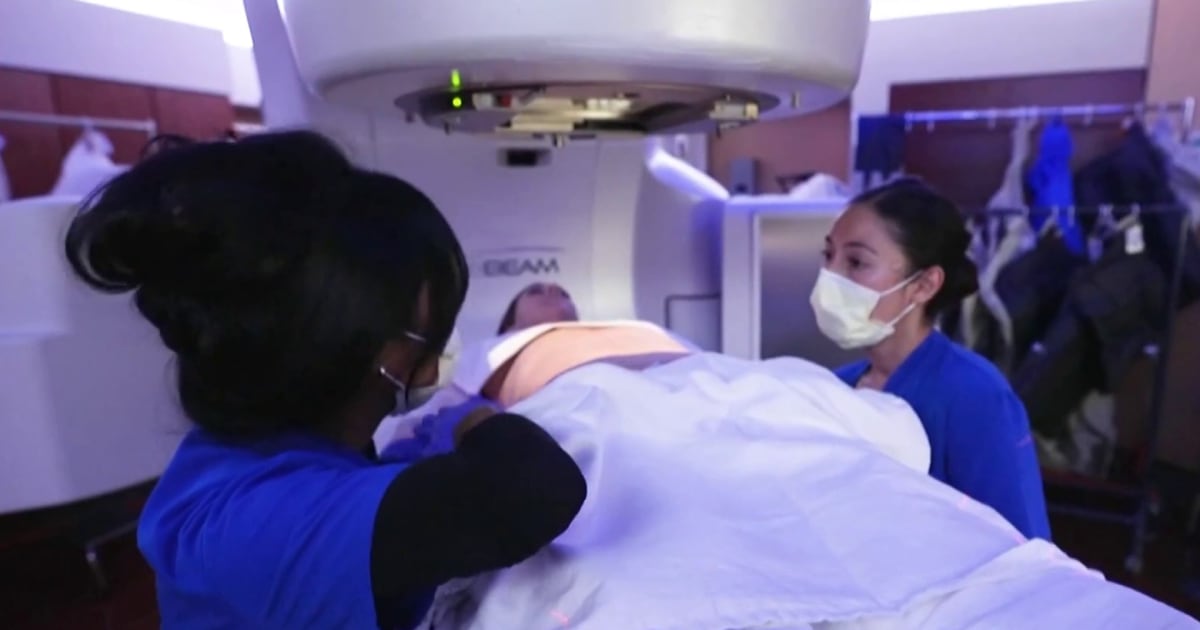
A woman in the United States became the first human to receive donor stem cells during a liver transplant, a move that could reduce the need for lifelong anti‑rejection drugs. The patient, whose identity is protected by law, received a liver from her sister on Tuesday at a Boston‑area hospital. The transplant team, led by Dr. Emily Tan of the University of Massachusetts Medical Center, infused stem cells harvested from the donor’s bone marrow into the recipient’s bloodstream immediately after the new liver was attached.
Organ rejection is the main barrier to long‑term transplant success. Most patients must take high doses of immunosuppressants that weaken the immune system and increase the risk of infection and cancer. Researchers have been testing ways to teach the body to accept a new organ without these drugs. In pre‑clinical studies, donor stem cells have been shown to calm the immune response and promote tolerance. The new technique builds on a decade of animal work and a small pilot study that showed promising safety results in pigs and dogs.
The procedure went smoothly. The patient tolerated the stem cell infusion without adverse reactions and has been discharged on a low‑dose immunosuppressant regimen. Dr. Tan said the team will monitor liver function and immune markers closely for the next 12 months. The patient expressed relief, saying that avoiding the side effects of heavy medication would improve her quality of life.
If the long‑term follow‑up confirms the early safety and effectiveness, the team plans to expand the study to other organ transplants, including kidneys and hearts. The research is already attracting interest from the Food and Drug Administration, which could fast‑track approval if the results hold up. The success of this first human trial signals a potential shift in transplant medicine, moving toward safer, more personalized treatments for thousands of patients worldwide.
Read Full Story at NBC News →