Valve's 12TB leak reveals lost PC gaming history, including Portal 2 content.
A 12TB leak from Valve Corporation has exposed over a decade of lost PC gaming history, including unreleased content from "Portal 2" and insights into "Half-Life 2: Episode 3." This data provides val…
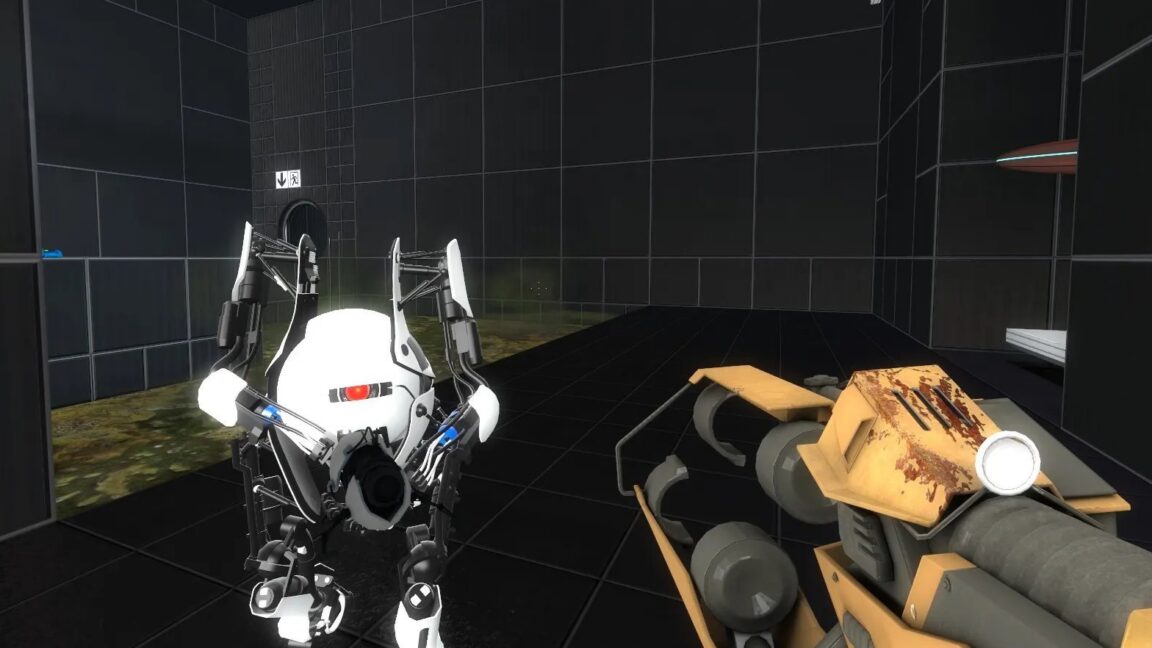
A massive leak of 12 terabytes of data from Valve Corporation has revealed over a decade's worth of lost PC gaming history, including cut content from "Portal 2" and hints about the long-rumored "Half-Life 2: Episode 3." The leak, referred to as a "teraleak," surfaced online and has sparked intense interest among gamers and developers alike.
This leak is significant because it provides a rare glimpse into the development processes of some of the most acclaimed video games. For years, fans have speculated about the content that didn’t make it into the final versions of these games. The timing of this leak coincides with a resurgence of interest in Valve's franchises, as new gaming technologies and platforms continue to evolve. As the gaming community celebrates anniversaries of classic titles, the leak serves as both a nostalgic reminder and a discussion point about the complexities of game development.
The leaked files contain unfinished levels, character designs, and plot outlines that were never released to the public. This kind of insider information can be invaluable for historians and fans who want to understand the evolution of these iconic games. The community's reaction has been a mix of excitement over the new discoveries and concern over potential legal repercussions for those sharing the files. Additionally, developers may find themselves re-evaluating their own practices regarding data security and archival processes.
Going forward, the gaming community will likely see a surge in fan-made content inspired by the leak, as modders and enthusiasts sift through the data for inspiration. This event also raises questions about the preservation of digital media in an industry that frequently discards material. As the conversation continues, both players and developers may prioritize the importance of safeguarding gaming history while embracing the creative potential that arises from such leaks.
Read Full Story at Ars Technica →