Frank Culbertson captures haunting photo of 9/11 from space
NASA astronaut Frank Culbertson captured a haunting photo of New York City from the International Space Station on September 11, 2001, showing smoke from the Twin Towers after the terrorist attacks. …
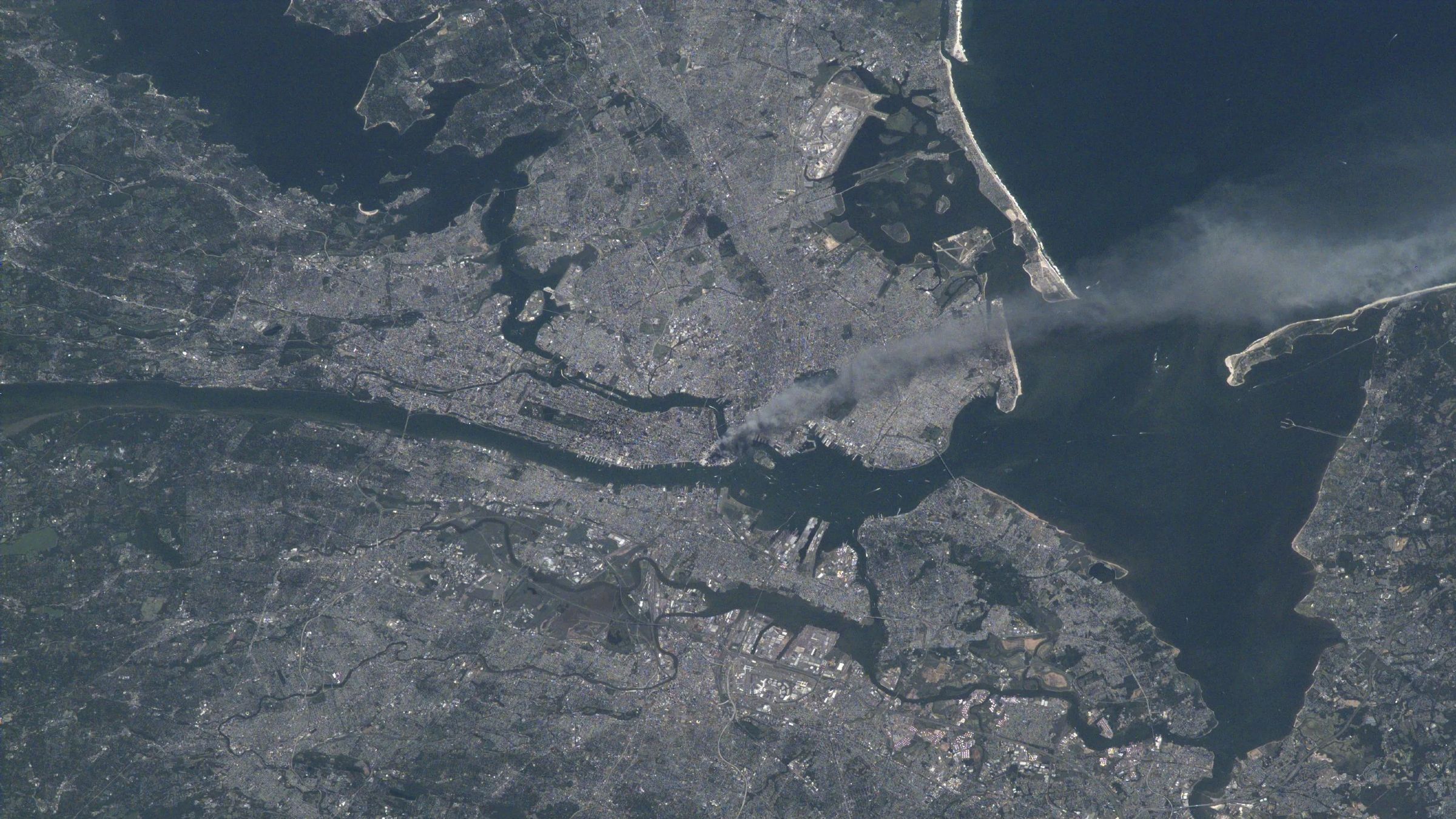
NASA astronaut Frank Culbertson captured a haunting photograph of New York City on September 11, 2001, from the International Space Station (ISS). The image shows a massive plume of smoke billowing from Manhattan in the aftermath of the 9/11 attacks, a stark reminder of the tragedy that unfolded that day.
The attacks marked a turning point in U.S. history. On that morning, members of al-Qaeda hijacked four commercial airliners, crashing two into the World Trade Center towers and killing nearly 3,000 people. The destruction of the Twin Towers, which were among the tallest buildings in the world, altered the skyline of New York City and the nation’s sense of security. Culbertson, who was the only American astronaut in space during the events, took the photograph shortly after learning of the attacks while orbiting about 250 miles above Earth.
Culbertson's photo captures the chaos and destruction from a unique vantage point. He noted an "odd bloom" at the base of the smoke column, suggesting it was taken around the time of the second tower's collapse. In letters penned in the days following the attacks, he expressed the emotional turmoil of witnessing such devastation from space. “It's horrible to see smoke pouring from wounds in your own country from such a fantastic vantage point,” he wrote, highlighting the contrast between his mission to advance life on Earth and the profound loss occurring below.
As the 25th anniversary of the attacks approaches, Culbertson's photograph serves as a powerful reminder of that tragic day. It reflects not only the immediate impact of the events but also the lasting legacy of 9/11 on American society. The image continues to resonate, reminding viewers of the fragility of life and the resilience of those who have endured its aftermath.
Read Full Story at Live Science →