Archaeologists discover ancient church under Lake Iznik, Turkey; experts debate significance
Archaeologists have discovered a 1,700-year-old church under Lake Iznik in Turkey, which some believe could be the site of the First Council of Nicaea, a key event in early Christian history. However…
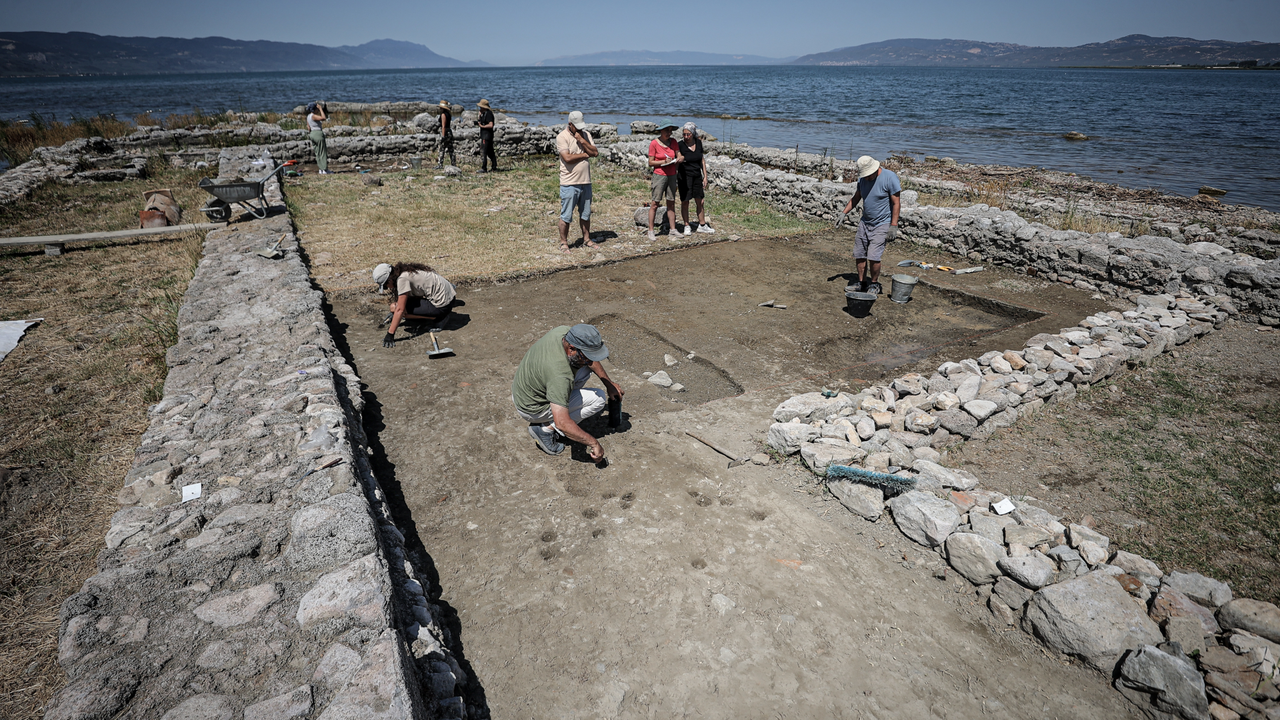
Archaeologists have uncovered a 1,700-year-old church beneath a larger church in Turkey, which some believe may have been the site of the First Council of Nicaea, a pivotal meeting in early Christian history. The discovery was made in the town of Iznik, where the original church lies submerged under Lake Iznik, previously known as Lake Nicomedia. The excavation has sparked interest due to the council's significance in shaping Christian doctrine.
The First Council of Nicaea was convened in 325 AD under the Roman Emperor Constantine I. It addressed critical issues, including the nature of Christ and the date of Easter, laying a foundation for the Nicene Creed, which continues to be a central tenet of Christian faith. The timing of this discovery is particularly intriguing, as it coincides with heightened interest in early Christian history and ongoing debates about church authority and doctrine.
Experts involved in the excavation believe that the architectural features of the submerged church align with descriptions found in historical texts about the council's location. They point to the presence of intricate mosaics and inscriptions that suggest a significant ecclesiastical function. However, some scholars remain skeptical. They argue that without more concrete evidence, including artifacts or documentation directly linking the site to the council, the claims are premature. These dissenting voices highlight the challenges of interpreting archaeological finds, especially those tied to significant historical events.
The implications of this discovery are profound. If proven to be the site of the First Council of Nicaea, it could alter our understanding of early Christian governance and the development of church doctrine. Future excavations and research will be critical in determining the site's historical significance. As scholars continue to debate its authenticity, the excavation will likely draw more attention, potentially uncovering further evidence that could confirm or challenge the current claims.
Read Full Story at Live Science →